
Budapest Evening Danube Cruise: My Experience, Cost & Practical Tips
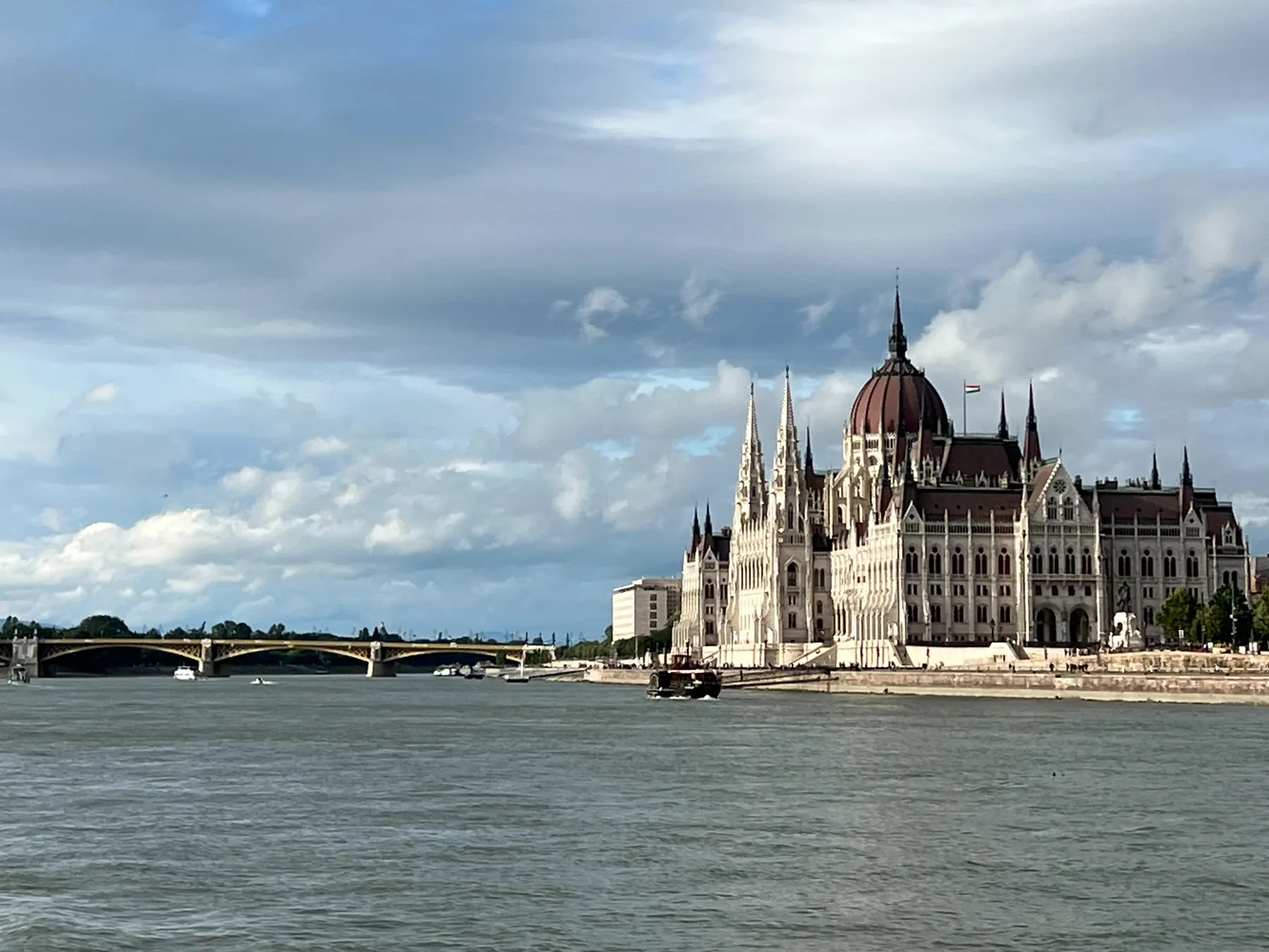
A Danube cruise is one of the few classic Budapest tourist activities I would genuinely do again.
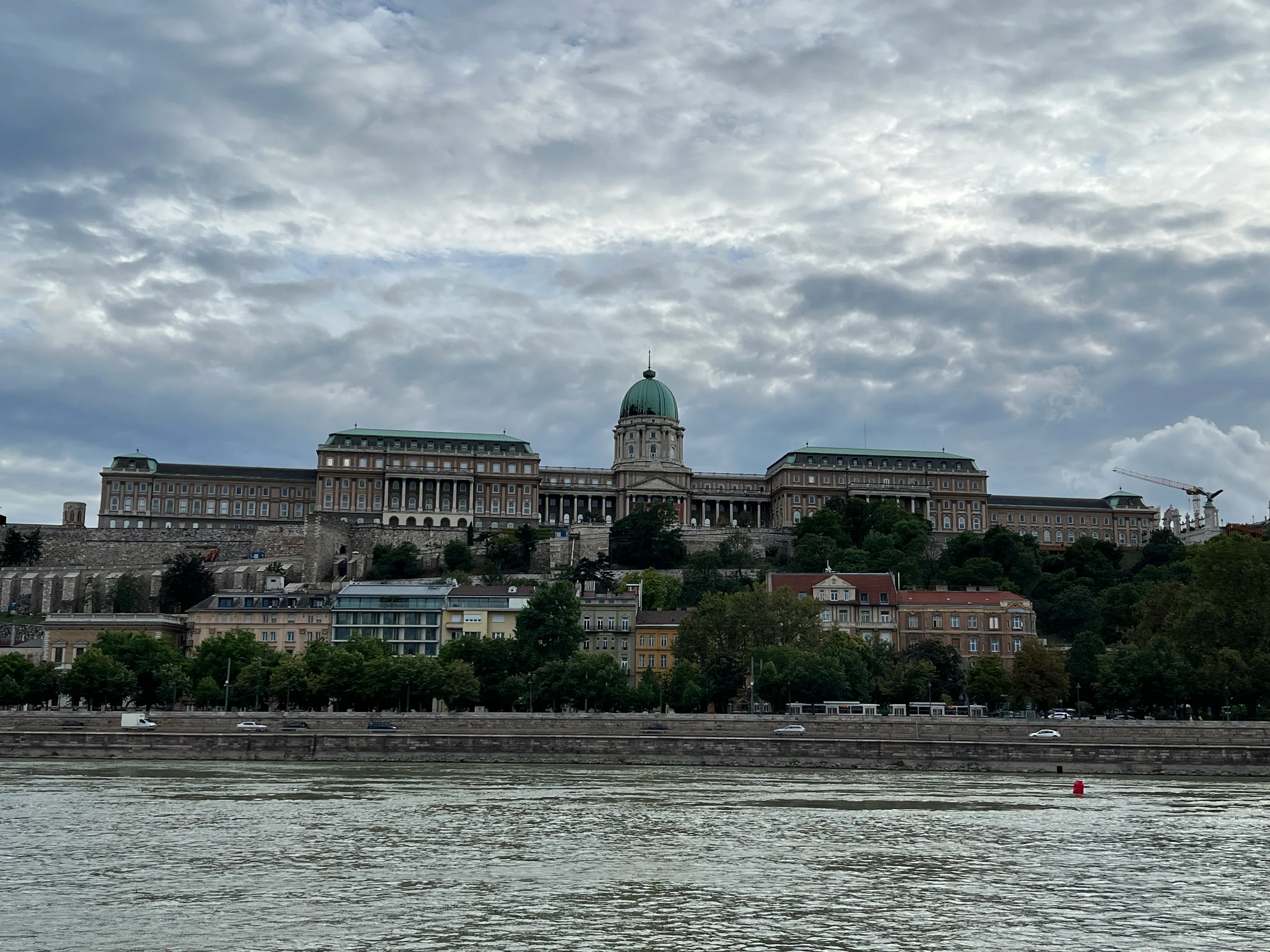
The main reason is simple: Budapest looks different from the river. Parliament, Buda Castle and the bridges are impressive from land, but the Danube gives you the kind of wide, uninterrupted views you simply cannot get while walking.
I booked an evening sightseeing cruise for four people through Viator. The trip lasted about an hour, included a glass of Prosecco and cost roughly $62 total at the time.
For what we got, it felt like very good value.
What You Actually See on a Budapest Danube Cruise
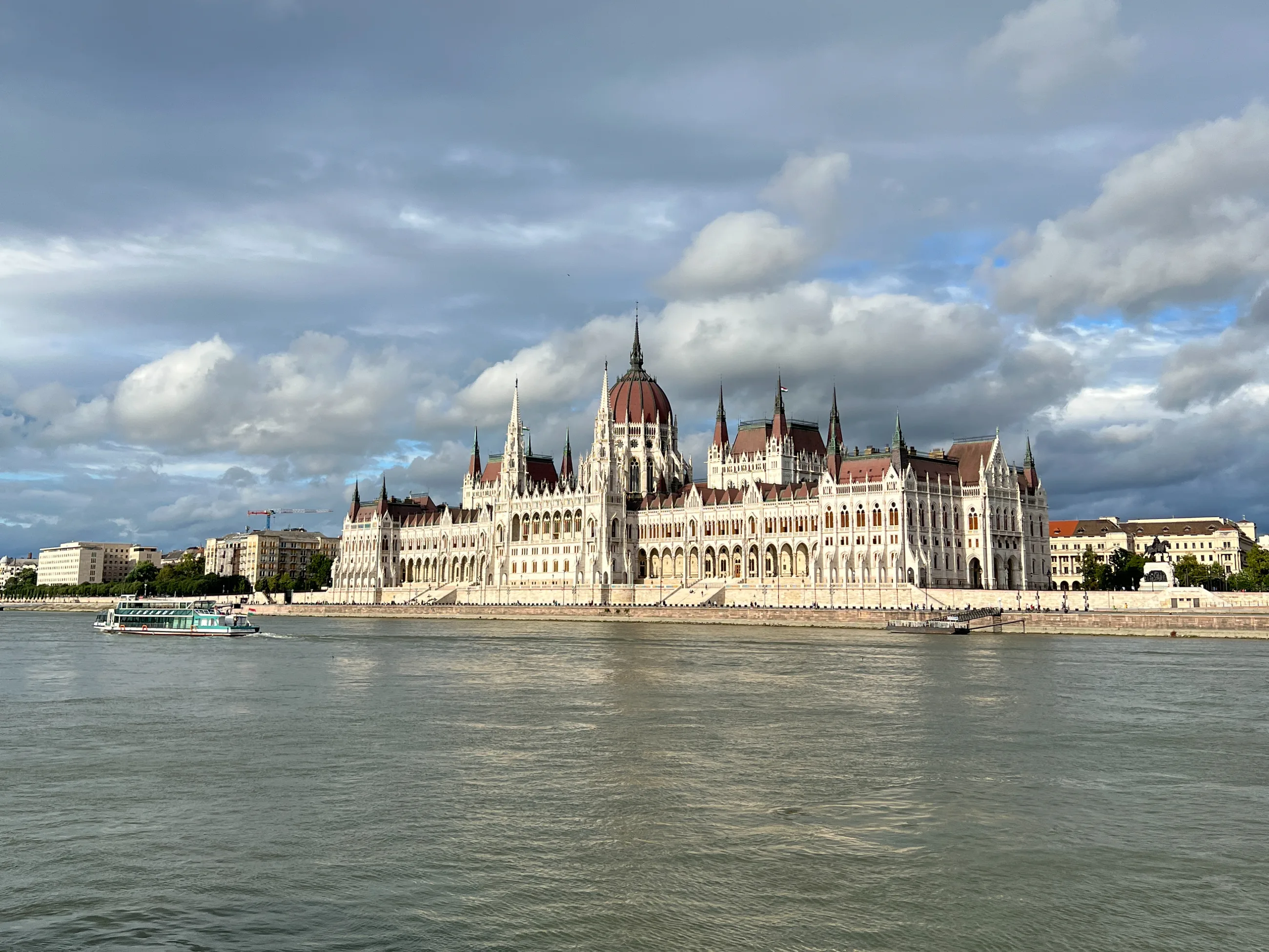
The biggest highlight is Parliament.
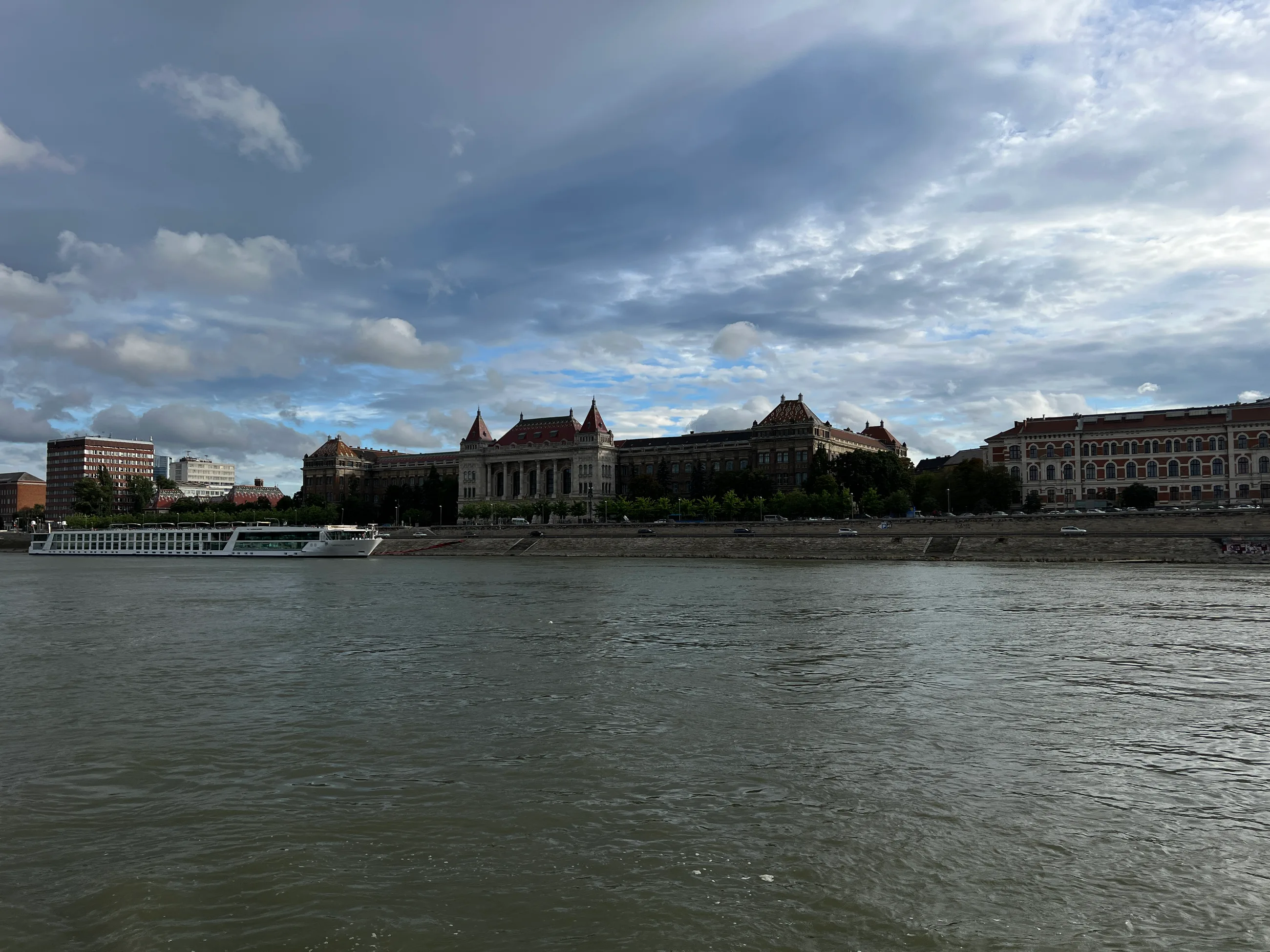
From the river, you see the whole building at once instead of trying to frame pieces of it from the embankment. You also get clear views toward the Buda side, including the Castle District, plus several of Budapest’s best-known bridges.
That is why I think the cruise works especially well on a short trip. In one hour, you get a completely different perspective on several major landmarks without spending the evening moving between them.
Current sightseeing cruises still follow this same central Danube stretch, with views of Parliament, Buda Castle, Fisherman’s Bastion, Gellért Hill and the major bridges.
Daytime or Evening Cruise in Budapest?
If I had to choose only one, I would take an evening cruise again.
My departure was around 18:00 in summer. The worst heat had passed, the sun was lower and the city gradually started changing as evening approached.
That timing was much better than I think a middle-of-the-day cruise would have been.
For summer, I would personally aim somewhere around sunset rather than obsessing over a specific clock time. Sunset changes significantly throughout the year, so check it for your travel date and choose a departure close to it.
If your goal is illuminated Budapest at night, go later. If you want both daylight views and evening atmosphere, choose the transition period around sunset.
Is the Upper Deck Worth It?
Yes, if the weather is good.
We sat on the open upper deck and that is where I would sit again. The view is cleaner, photography is easier and you actually feel like you are travelling along the Danube rather than looking through a window.
There is one obvious downside: weather.
On a hot summer afternoon, in strong wind or rain, the upper deck may be much less enjoyable. But on a comfortable evening, I would choose it over the enclosed lower deck without hesitation.
If outdoor seating matters to you, arrive a little before boarding rather than being among the last passengers on.
How Long Should a Budapest Sightseeing Cruise Be?
For normal sightseeing, about one hour is enough.
My cruise lasted roughly that long and never felt rushed. You have enough time to enjoy the views, take photos and relax without sacrificing half your evening.
That is also still a common duration today. Legenda, for example, currently runs a one-hour evening sightseeing cruise, while BKK lists several sightseeing services in roughly the same range.
I would only book a longer cruise if there were another reason for it, such as dinner or live entertainment.
More time on the water does not automatically mean a better sightseeing experience.
How Much Does a Budapest Danube Cruise Cost?
There is a huge difference between a simple sightseeing cruise and a full dinner cruise.
For basic sightseeing, current prices can still be quite reasonable. Legenda’s evening Danube Legend, for example, currently costs €25 per adult and includes a drink. Its daytime option is €20.
That is roughly the price level where I still think the experience makes a lot of sense.
Once you start adding dinner, live music or premium packages, the cost rises quickly. At that point, I would stop comparing it with sightseeing and ask a different question: do I actually want dinner on a boat?
Personally, I would pay for the view and eat properly somewhere else afterward.
What to Look for Before Booking a Danube Cruise
There are dozens of nearly identical Budapest cruises online, so I would not choose based on the fanciest listing.
I would check five things:
departure time, especially if you want sunset or night views;
duration, because one hour is usually enough for sightseeing;
open deck availability;
boarding location, so you do not waste time crossing the city before departure;
total price, including any extras you do not actually care about.
A free drink is pleasant. It should not decide which cruise you buy.
Audio guides, unlimited drinks and dinner packages may matter to some travelers, but the core experience is still the same river and the same city.
Do You Need to Book a Budapest Danube Cruise in Advance?
I booked mine shortly before departure and had no problem, but I would not rely on that for every trip.
Budapest has plenty of cruise departures, so for an ordinary weekday sightseeing trip you usually have flexibility. BKK currently lists sightseeing services operating multiple times throughout the day, while major private operators run several scheduled departures.
I would book earlier if:
you want a specific sunset departure;
you are visiting on a busy summer weekend;
your itinerary is tight and you cannot move the activity;
you want a dinner or premium cruise with limited capacity.
Otherwise, there is no need to turn a one-hour boat ride into a major planning project.
Is a Budapest Danube Cruise Good Value?
For me, yes.
It is not an activity I would recommend just because it appears on every Budapest checklist. It earns its place because the river is such a central part of the city that seeing Budapest from the Danube adds something you cannot reproduce on foot.
The Parliament view alone was worth it for me, but the whole hour worked well: low evening sun, the Buda skyline, bridges passing overhead and a city that gradually looked better as daylight faded.
If I returned, I would book essentially the same thing again: a simple one-hour evening sightseeing cruise with an open deck, close to sunset, without paying extra for features I do not need.
That is the version of the Budapest Danube cruise I think gives the best balance of cost, time and experience.
Rate this guide
No ratings yet
Be the first to rate this guide.
Tap to rate
Questions & Comments
Travel Smarter, Not Harder
Get practical travel tips, hidden gems, and real experience-based guides straight to your inbox.
By subscribing, you agree that I may use your email to send newsletter updates, new guide alerts, and occasional travel emails. You can unsubscribe anytime using the link in any email. Read the Privacy Policy and Cookie Policy.
Read Next
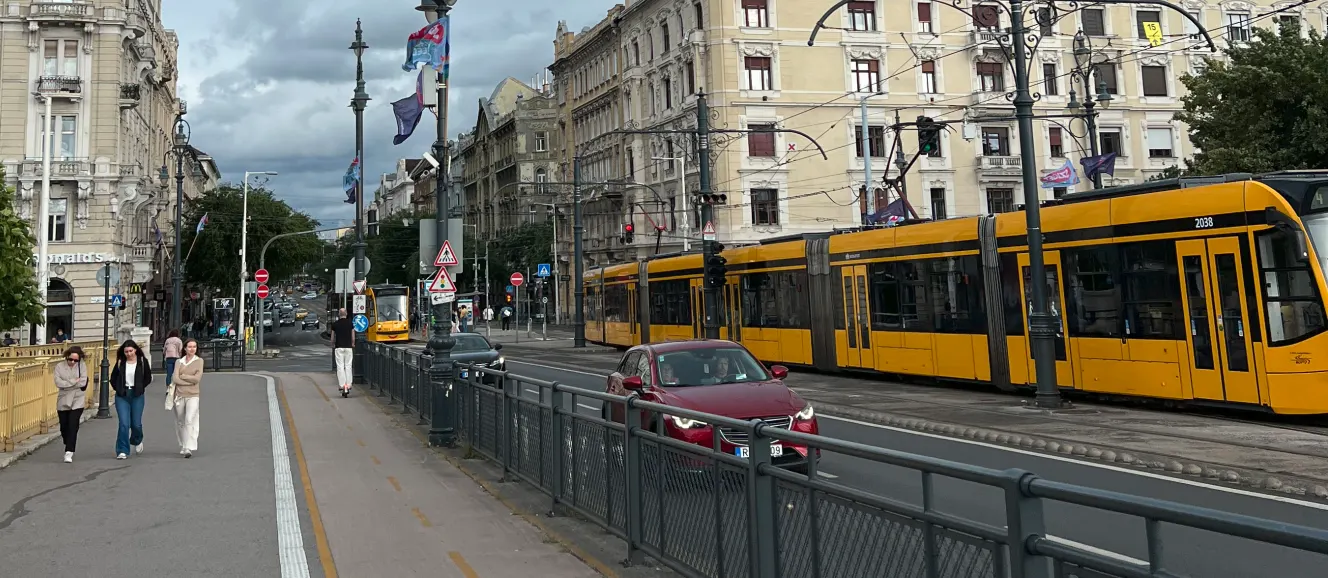
Budapest Public Transport Tickets: What to Buy for 1, 2 or 3 Days
Which Budapest transport ticket should you buy? Compare single tickets, 24h and 72h travelcards, BudapestGO and Budapest Card before your trip.
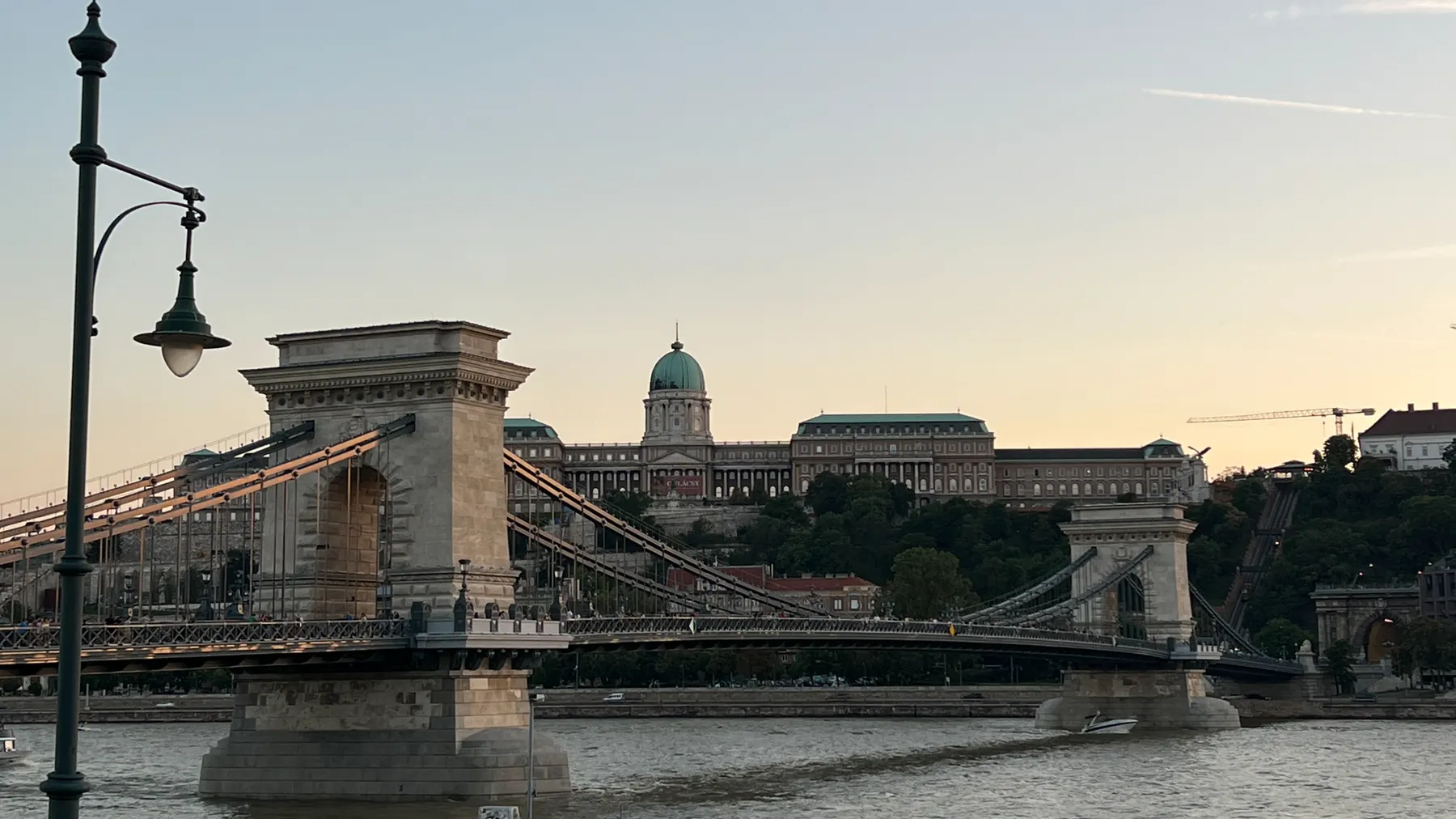
Buda or Pest: Where Should You Stay? I Stayed on Both Sides
I stayed on both sides of Budapest. Here’s how Buda and Pest compare for sightseeing, nightlife, parking, quiet and a first visit.
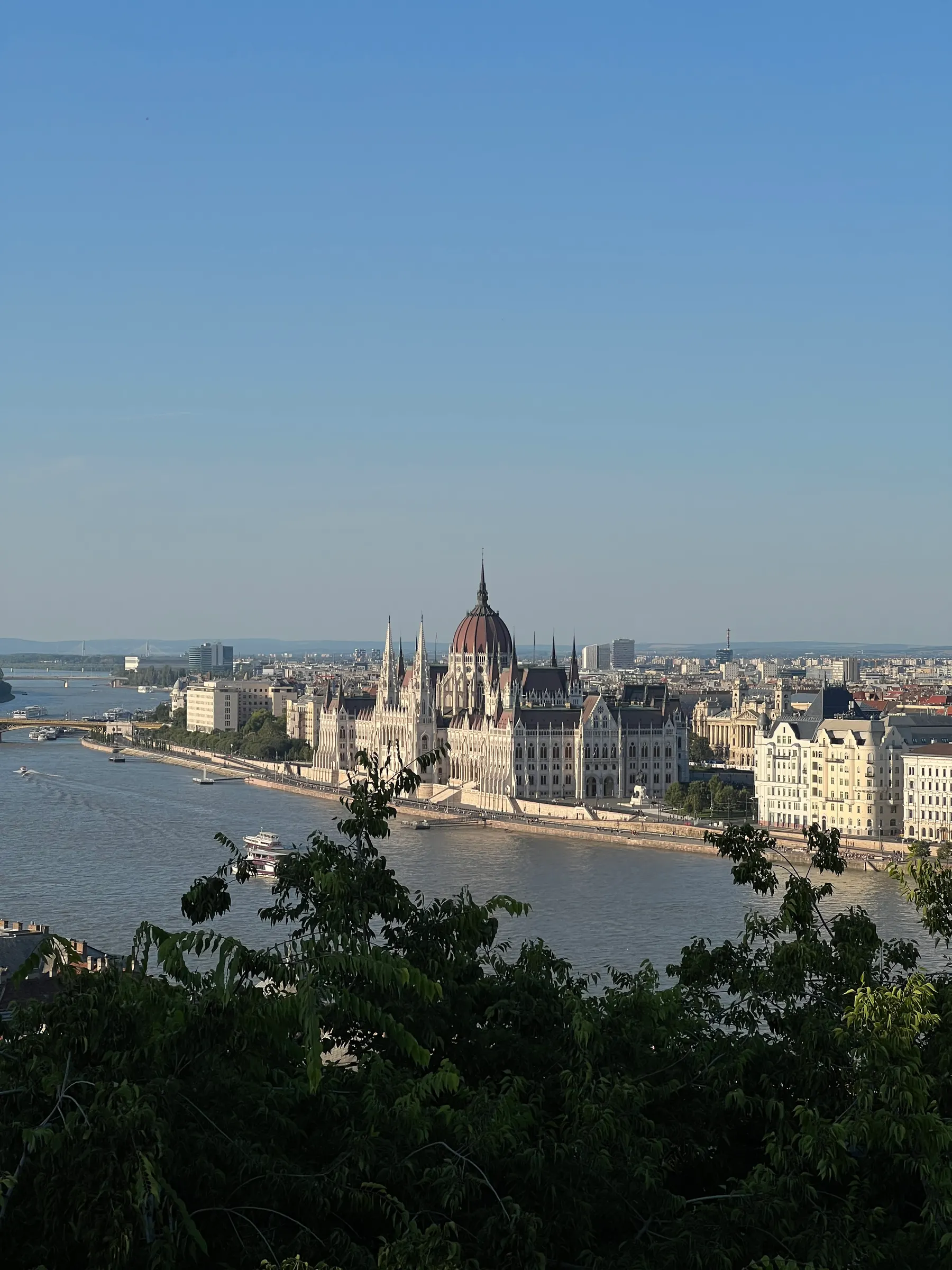
Visiting Budapest by Car: What I'd Do Differently Next Time
Planning to visit Budapest by car? After exploring the city myself, here's what I'd do differently next time—from parking and traffic to getting around more efficiently and avoiding common mistakes.