
Budapest Public Transport Tickets: What to Buy for 1, 2 or 3 Days
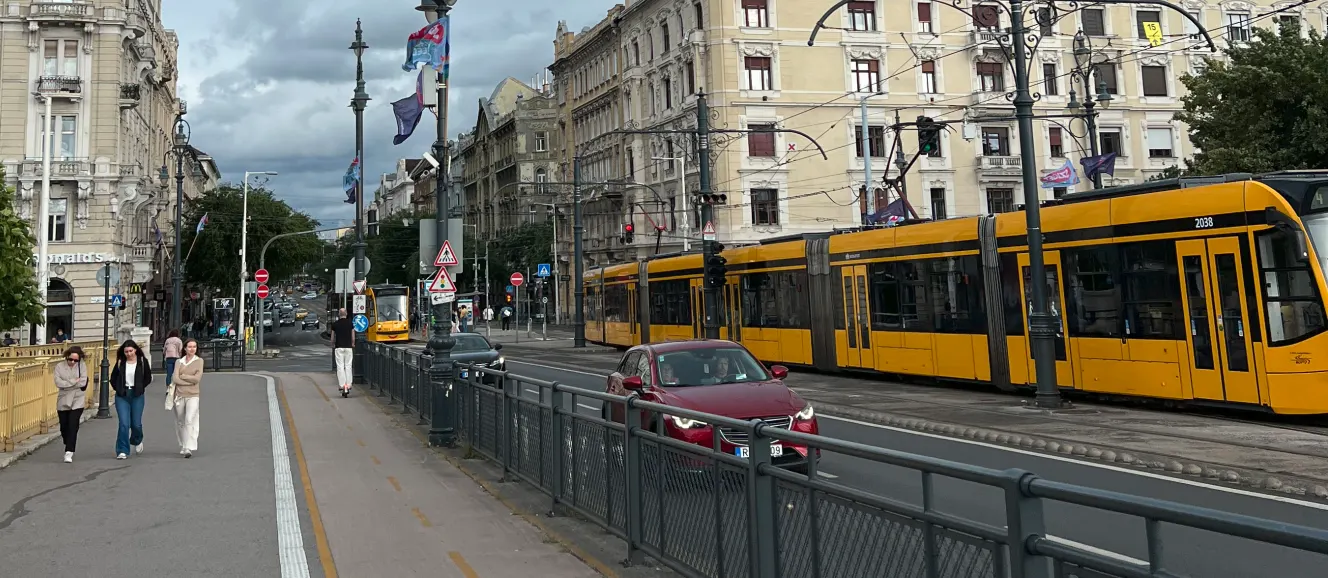
Budapest has excellent public transport, but choosing the right ticket is more confusing than actually using it.
You’ll see single tickets, 30-minute tickets, 90-minute tickets, 24-hour and 72-hour travelcards, BudapestGO and the much more expensive Budapest Card. They are not the same thing, and buying the wrong one can either waste money or make every transfer unnecessarily complicated.
I used a 24-hour travelcard because I knew we would take several trams, buses and metro rides throughout the day. For that type of sightseeing, I would make the same choice again.
Here’s the simple way to decide what you actually need.
Which Budapest Public Transport Ticket Should You Buy?
For most tourists, I’d narrow it down like this:
Only 1 or 2 rides: buy single tickets.
Several rides with transfers: consider a 30-minute or 90-minute ticket.
Up to 10 simple rides: the 10-ticket block costs 4,500 HUF and can be cheaper than daily travelcards if you do not need many transfers. Each ticket works like a normal single ticket.
Sightseeing for one full day: the 24-hour travelcard is usually the easiest option.
Two days: compare two 24-hour travelcards with a 10-ticket block, depending on how much you expect to ride.
Three days with regular public transport: the 72-hour travelcard usually makes the most sense.
Planning museums, baths and paid attractions as well: compare the Budapest Card separately before buying it.
Current adult prices are:
Single ticket: 500 HUF
30-minute ticket: 600 HUF
90-minute ticket: 850 HUF
Block of 10 single tickets: 4,500 HUF
24-hour travelcard: 2,750 HUF
72-hour travelcard: 5,750 HUF
These are the current official BKK fares.
The mistake I would avoid is buying individual tickets all day just because each one looks cheap.
Budapest Single Ticket vs 30-Minute and 90-Minute Tickets
A normal single ticket is meant for one continuous journey.
If you leave one bus and continue on another, you generally need another ticket. Metro transfers are the main exception, as long as you continue in the same direction without leaving the paid area.
The 30-minute and 90-minute tickets work differently because they allow transfers while they remain valid. That makes them more practical for routes involving several vehicles.
There is also a block of 10 single tickets for 4,500 HUF, which brings the price down to 450 HUF per ride. The tickets can be used separately and can also be shared between several travelers, as long as each passenger validates one ticket for their own journey.
This can be a useful middle ground for a two-day stay if you expect several straightforward rides but not enough travel to justify unlimited daily travelcards.
When the 24-Hour Budapest Travelcard Makes Sense
This is what I used, and for an active sightseeing day I liked not having to think about tickets again.
The 24-hour travelcard costs 2,750 HUF and gives you unlimited travel for 24 hours from the starting time shown on it. It covers almost all regular BKK services within Budapest, including metro, trams, buses and trolleybuses.
Do the basic math:
Six individual rides already cost 3,000 HUF.
At that point the travelcard is cheaper, and you also gain the freedom to jump onto a tram for two stops without wondering whether the ride is worth another ticket.
That freedom was useful for us. We moved between Buda and Pest, changed transport several times and occasionally took a tram simply because it was more convenient than walking.
For a full sightseeing day, I would buy the 24-hour option again.
What Should You Buy for Two Days?
This is where there isn’t one automatic answer.
Two 24-hour travelcards cost 5,500 HUF in total.
A block of 10 single tickets costs 4,500 HUF.
So if you expect fewer than 10 simple rides and do not need many transfers, the 10-ticket block can be cheaper.
If you know you will move around heavily throughout both days, two 24-hour travelcards are easier because you stop thinking about individual rides completely.
I would choose based on how you actually travel rather than buying the 72-hour option automatically.
When the 72-Hour Budapest Travelcard Makes More Sense
For three full days with regular public transport use, the 72-hour travelcard is the better deal.
It currently costs 5,750 HUF.
Compare that with:
2 × 24-hour travelcards = 5,500 HUF
3 × 24-hour travelcards = 8,250 HUF
1 × 72-hour travelcard = 5,750 HUF
So for two days, the 72-hour card does not save money.
For three days, it clearly does.
That’s why I wouldn’t search for “the best Budapest pass” before deciding how long you’ll actually use public transport.
Where to Buy Budapest Public Transport Tickets
You don’t need a special tourist office.
BKK tickets and travelcards are available from ticket machines throughout the city, at BKK customer centres and digitally through BudapestGO. Ticket machines accept both cash and bank cards.
A single ticket can also be bought from some drivers, but the onboard price is higher at 700 HUF, and exact cash may be required.
I wouldn’t make onboard purchases my normal strategy.
Buy before boarding or use the app.
BudapestGO App: Do You Actually Need It?
No, but it is useful.
BudapestGO combines route planning, live transport information and digital ticket purchases in one app.
If you already use Google Maps comfortably, you don’t need BudapestGO just to find your way around Budapest. Google Maps worked well during my trip.
Where BudapestGO becomes useful is ticket management.
You can keep your tickets and travelcards on your phone instead of dealing with paper ones.
The only thing to understand is that digital tickets and digital travelcards have slightly different handling rules from paper versions.
How Ticket Validation Works in Budapest
This is the part worth understanding before your first ride.
Paper single tickets must be validated before starting the journey. On the metro, you validate before entering the paid area; on buses and trams, you validate immediately after boarding.
Buying a ticket is not enough.
The 24-hour and 72-hour travelcards do not require validation after purchase, including their digital versions.
However, with a digital travelcard you may still need to scan the QR/NFC code or use the Boarding function in BudapestGO when entering the metro or boarding through the front door, so the app can display the required animation for inspection.
Keep your ticket or travelcard available until the journey is over in case an inspector asks to see it.
The standard penalty fare for travelling without a valid ticket is 25,000 HUF, reduced to 12,000 HUF if paid on the spot or within two working days.
So this is not the place to guess whether your ticket needs validation.
Does the Budapest Travelcard Include the 100E Airport Bus?
No. The regular 100E Airport Express is not included in the standard 24-hour or 72-hour Budapest travelcards.
This is easy to miss because those travelcards cover almost all normal public transport within Budapest.
So don’t buy a 24-hour or 72-hour travelcard at the airport and assume it automatically covers 100E.
Some Budapest Card products include airport transport, but that is a different product altogether.
Budapest Card vs Travelcard: Which One Should You Buy?
This naming causes unnecessary confusion.
A Budapest travelcard is mainly a public transport product.
A Budapest Card is a tourist city card that includes public transport plus museums, attractions and other benefits.
And the price difference is huge.
Current prices start at:
24-hour travelcard: 2,750 HUF
72-hour travelcard: 5,750 HUF
24-hour Budapest Card: 17,990 HUF
72-hour Budapest Card: 29,990 HUF
So if you only want unlimited metro, tram and bus travel, do not buy the Budapest Card just because the name sounds more complete.
The Budapest Card starts making sense when you’re also planning to use several included attractions.
The current 72-hour card includes public transport plus benefits such as Lukács Thermal Bath, museums and a Danube cruise.
That means the useful question is not whether the Budapest Card is cheaper than a travelcard.
It isn’t.
The real question is:
Would you pay for enough of the included attractions anyway?
If yes, compare the total cost before booking everything separately.
If no, buy the normal travelcard.
This is where I would place the affiliate link because the reader is already comparing products and is much closer to buying.
Does the Budapest Card Include the Airport Bus?
Not every version does.
For example, the current 72-hour PLUS Budapest Card includes one round trip on the 100E Airport Express, while standard Budapest Cards do not automatically include that airport service.
So if airport transport matters to you, check the exact card before buying.
“Public transport included” does not always mean every transport service in Budapest is covered.
What I Would Buy for a Short Budapest Trip
For one active sightseeing day, I’d buy the 24-hour travelcard again.
For two days, I’d compare two 24-hour travelcards with the 10-ticket block, depending on how much I expected to ride and how often I needed transfers.
For three days with regular public transport, I’d take the 72-hour travelcard.
If I planned several museums, a thermal bath and other paid attractions anyway, then I would calculate whether the Budapest Card beats buying everything separately.
I wouldn’t buy it simply for transport.
And I wouldn’t rent a car to avoid dealing with any of this either. Once I parked mine, I had no reason to touch it again while sightseeing. I explain that experience in Visiting Budapest by Car: What I’d Do Differently Next Time.
If you’re still deciding which side of the city makes the best base, I also stayed on both and compared them in Buda or Pest: Where Should You Stay? I Stayed on Both Sides.
For most visitors, Budapest transport becomes simple once you make one decision before the first ride:
Are you paying per journey, or paying once so you can stop thinking about journeys altogether?
For an active city break, I prefer the second option.
Rate this guide
No ratings yet
Be the first to rate this guide.
Tap to rate
Questions & Comments
Travel Smarter, Not Harder
Get practical travel tips, hidden gems, and real experience-based guides straight to your inbox.
By subscribing, you agree that I may use your email to send newsletter updates, new guide alerts, and occasional travel emails. You can unsubscribe anytime using the link in any email. Read the Privacy Policy and Cookie Policy.
Read Next
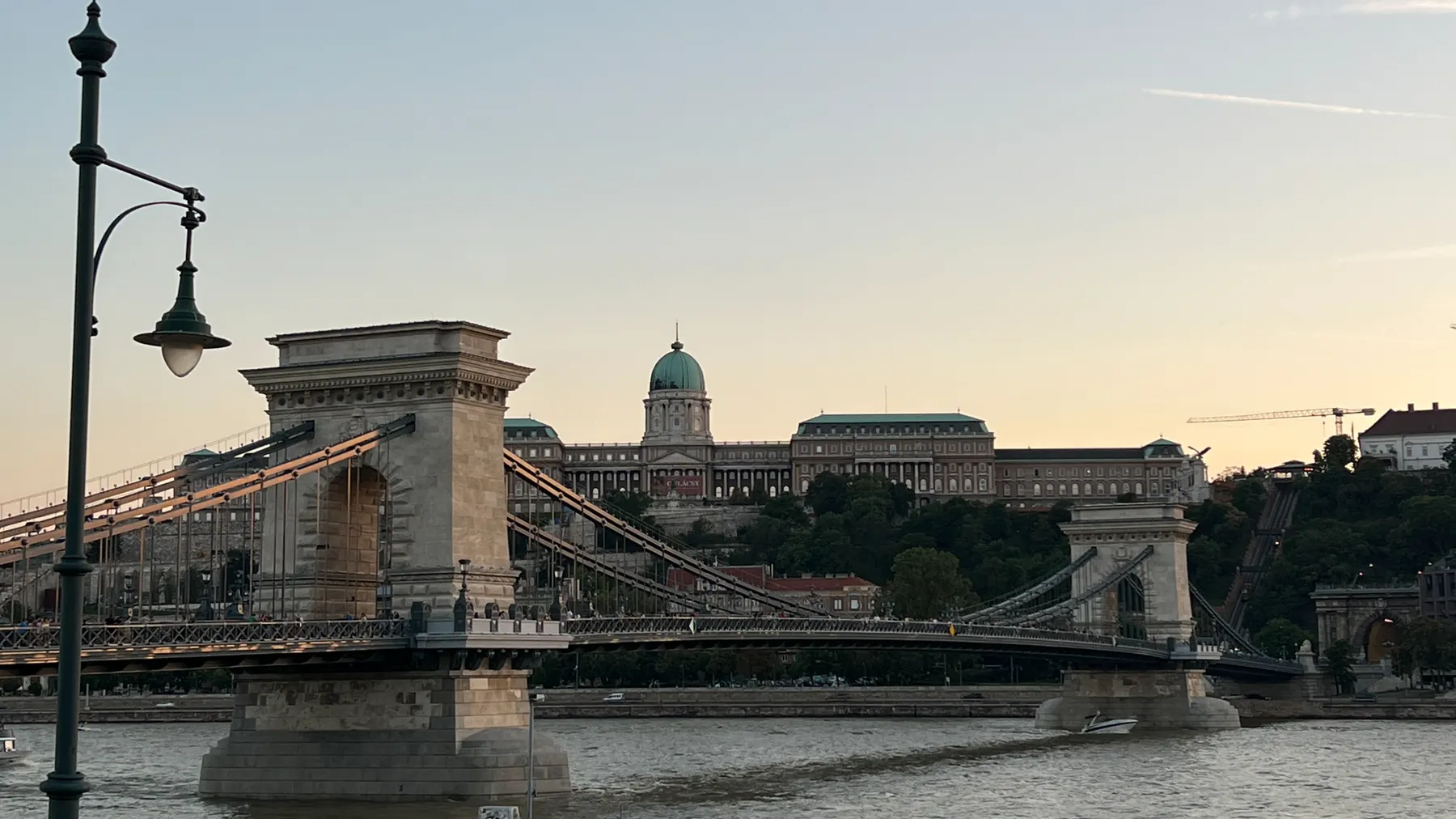
Buda or Pest: Where Should You Stay? I Stayed on Both Sides
I stayed on both sides of Budapest. Here’s how Buda and Pest compare for sightseeing, nightlife, parking, quiet and a first visit.

Budapest Evening Danube Cruise: My Experience, Cost & Practical Tips
What is a Budapest evening Danube cruise actually like? See the typical cost, best time to go, what you’ll see and practical booking tips.
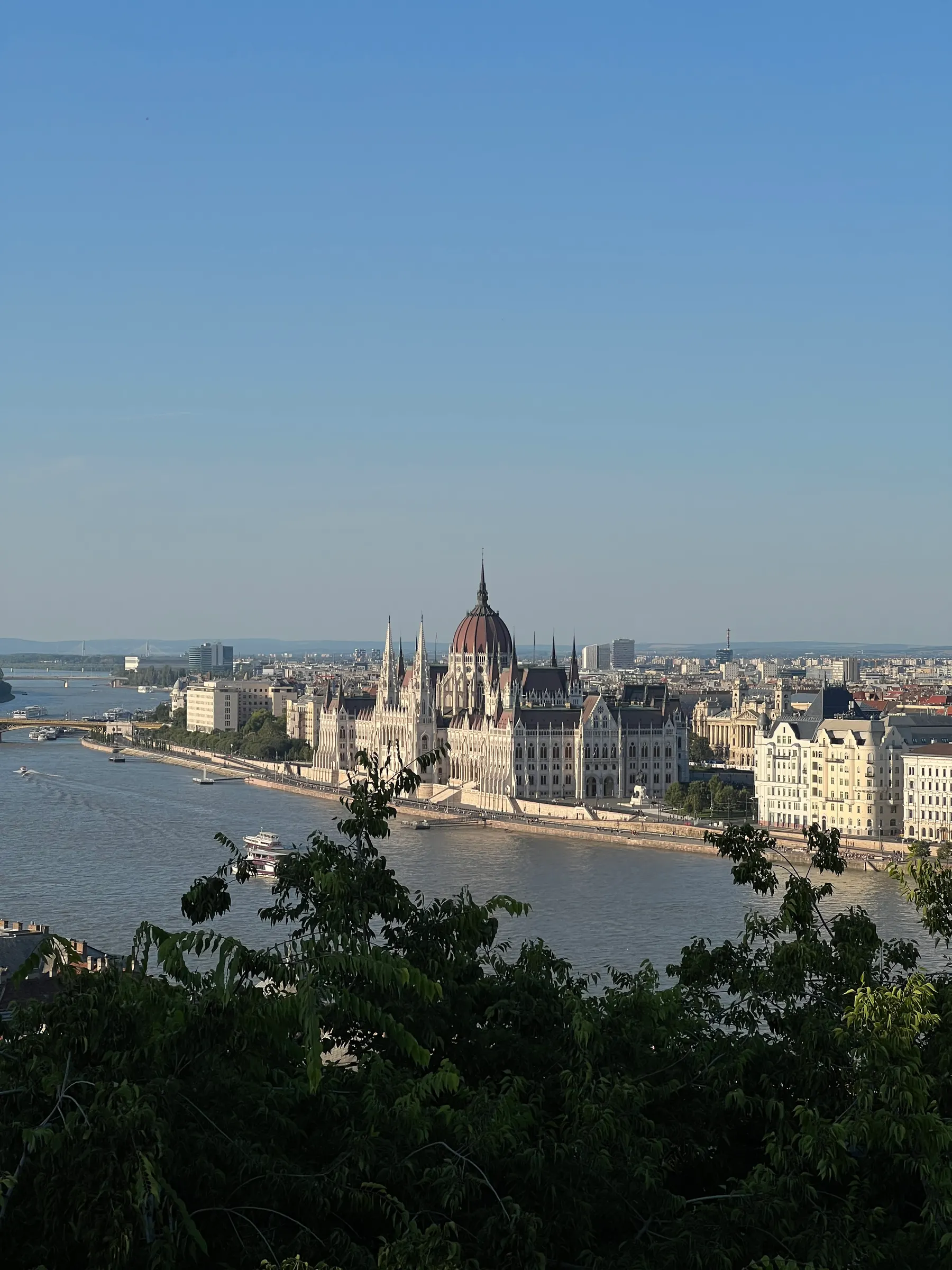
Visiting Budapest by Car: What I'd Do Differently Next Time
Planning to visit Budapest by car? After exploring the city myself, here's what I'd do differently next time—from parking and traffic to getting around more efficiently and avoiding common mistakes.