
Is Brasov Worth Visiting? What to Expect & How Long to Stay
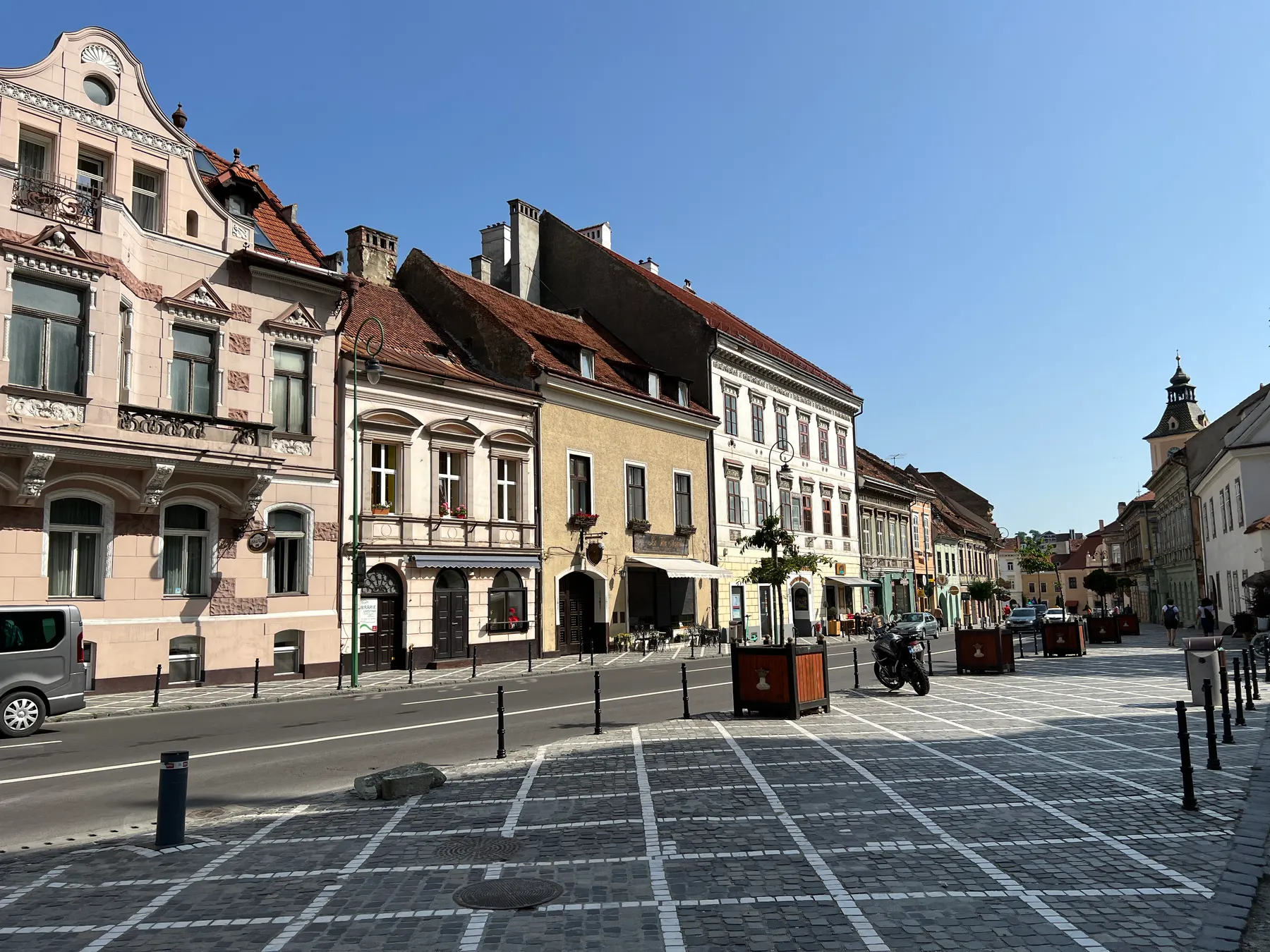
I’ve visited Brasov multiple times, in different seasons and at different times of the day, and it remains one of my favorite cities in Romania.
In my opinion, Brasov is absolutely worth visiting. The Old Town is the obvious highlight, but what I like most is that the city does not suddenly become unattractive once you leave Piața Sfatului. Many surrounding streets are still pleasant, organized and easy to explore on foot.
Brasov also feels noticeably cleaner and better maintained than many other Romanian cities I’ve visited, although the biggest advantage is probably the combination of a compact historic center, mountains and easy access to places outside the city.
What Brasov Is Really Like
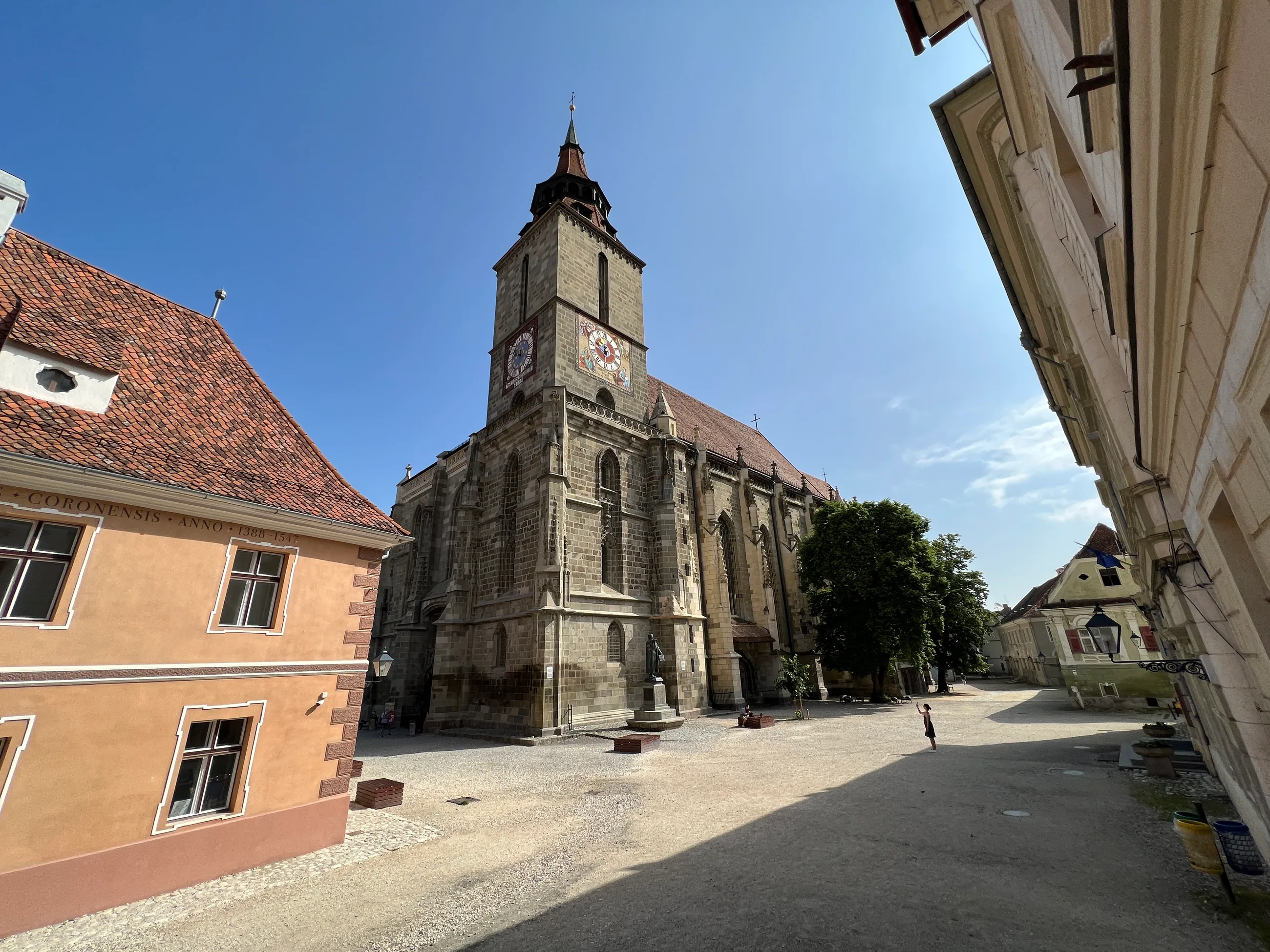
The Old Town is where most visitors spend their time:
- Piața Sfatului
- Republicii Street
- Black Church
- cafés and terraces
But I would not stay only around the main square.
Walk into the smaller side streets, continue toward Șcheii Brașovului and explore some of the quieter residential areas. That is where the city starts feeling less like a tourist center and more like an actual place people live in.
If you enjoy photography or simply want to see the center without crowds, go out around 7–9 AM. The atmosphere is completely different before the terraces fill up and day visitors arrive.
How Many Days Do You Need in Brasov?
I would allow two days for Brasov itself if you want to explore without rushing.
You can see the main Old Town sights in one day, but a second day gives you time to walk beyond Piața Sfatului, spend more time around Șchei, take things slower and enjoy the city instead of moving from landmark to landmark.
Brasov becomes even more useful if you add nearby trips. In that case, three or four nights make much more sense because you can keep one base and visit places such as Poiana Brasov, Bran or other parts of the region without changing accommodation every day.
Where to Stay in Brasov
You do not need to stay directly in Piața Sfatului to enjoy the city.
Accommodation in the ultra-central area can become expensive, especially during summer weekends, while places 10–15 minutes away on foot can offer much better value.
But there is one important detail that booking maps do not always make obvious:
Brasov is hilly.
A property that looks only ten minutes from the center may involve a steep uphill walk, which feels very different when you are carrying luggage or returning after a full day outside.
Before booking, I always recommend checking:
- the actual walking route on Google Maps
- elevation differences
- whether the final part of the route is uphill
Distance alone does not tell the whole story in Brasov.
Best Time to Visit Brasov
Summer has the liveliest atmosphere, but it is also when the Old Town is busiest.
Restaurants stay full late into the evening, the pedestrian streets remain active and weekends can become crowded. I personally enjoy that energy, but it is not the best period if you want a quiet city break.
If I had to choose one season, I would pick autumn.
Brasov is surrounded by hills and greenery, so autumn colors suit the city extremely well. Temperatures can still be comfortable for walking, and outside the busiest weekends the center generally feels more manageable than in peak summer.
Winter is a different type of trip, especially if you also plan to visit Poiana Brasov.
Parking in Brasov
If you arrive by car, I would avoid trying to drive from attraction to attraction.
Parking around the Old Town is limited and paid in many areas, while central Brasov is compact enough to explore on foot once you have found a place for the car.
I use the TPARK app for paid parking because it allows payment directly from the phone. Rates and parking rules can change, so check the signs and the app rather than relying on an old price found online.
The simplest strategy is:
park once, then walk.
Traffic can slow down considerably during commuter hours and busy weekends, while many of the streets you actually want to explore are much more enjoyable on foot.
Getting Around Without a Car
Public transport covers the main parts of Brasov and is useful when you need to move beyond the historic center.
For short stays, I would combine walking with buses and Bolt or Uber when necessary rather than constantly moving a car through the city.
Around the train station, I personally prefer ordering a ride through an app or asking the accommodation to arrange one instead of choosing a random taxi. You see the estimated route and price before leaving, which removes unnecessary uncertainty.
Food in Brasov
I would not build a Brasov trip around a long list of famous restaurants. There are plenty of good places, but the ultra-central location alone does not guarantee good food.
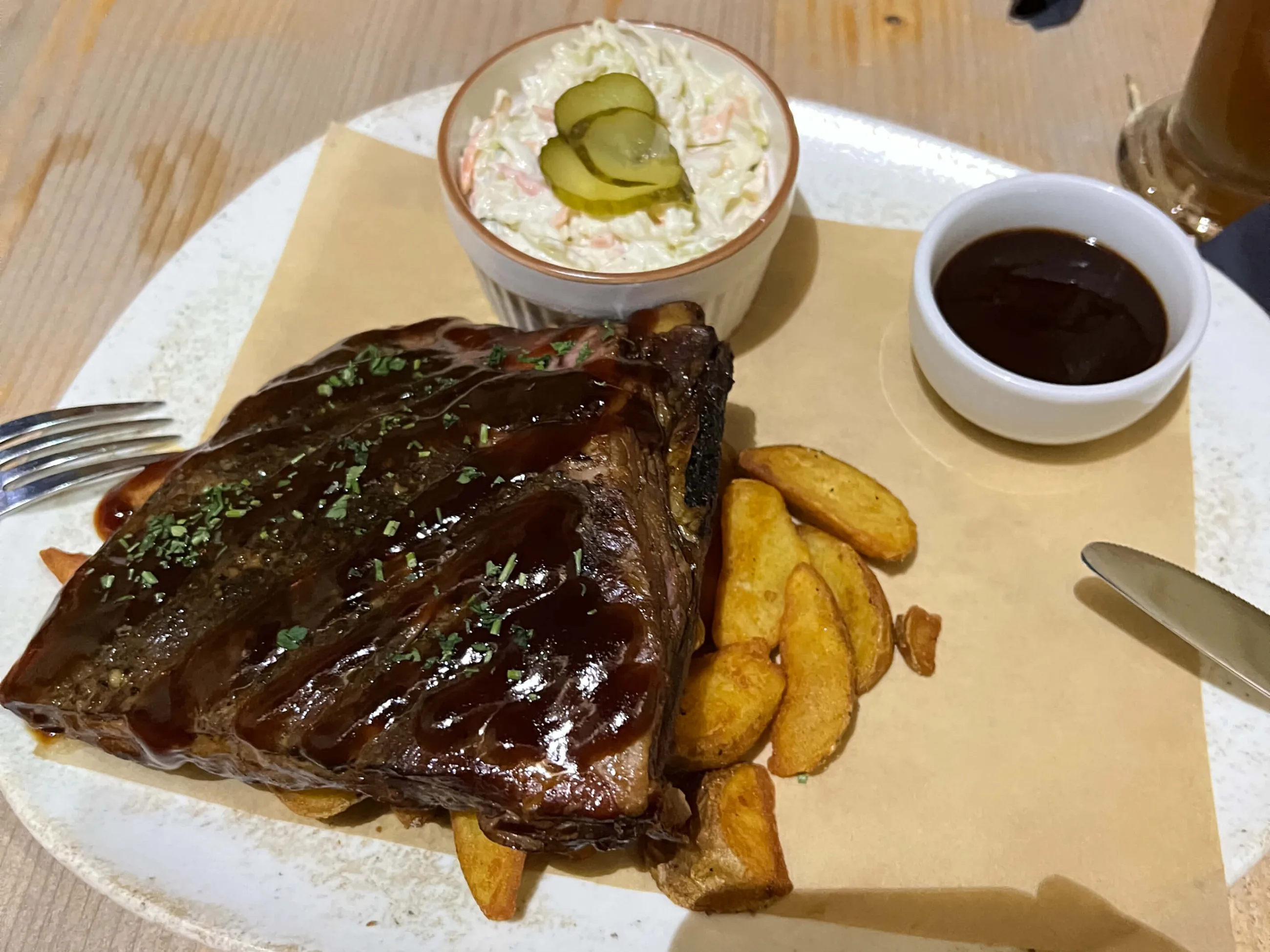
One place where I ate well was Next Door Restaurant in Piața Sfatului, where I had BBQ ribs with coleslaw and potatoes for around €15.
Before choosing somewhere directly in the tourist center, I usually check recent reviews rather than relying only on the overall rating. The 2–4 star reviews are particularly useful because they often explain recurring problems with food, service or prices instead of simply saying that everything was perfect or terrible.
For Romanian food, Brasov is also a good place to try dishes such as soups, grilled meat, bulz or papanași without needing to search for anything overly sophisticated.
Brasov as a Base for Day Trips
One of Brasov’s biggest advantages is how much you can reach from it.
Popular options around the region include:
- Poiana Brasov
- Bran Castle
- Râșnov
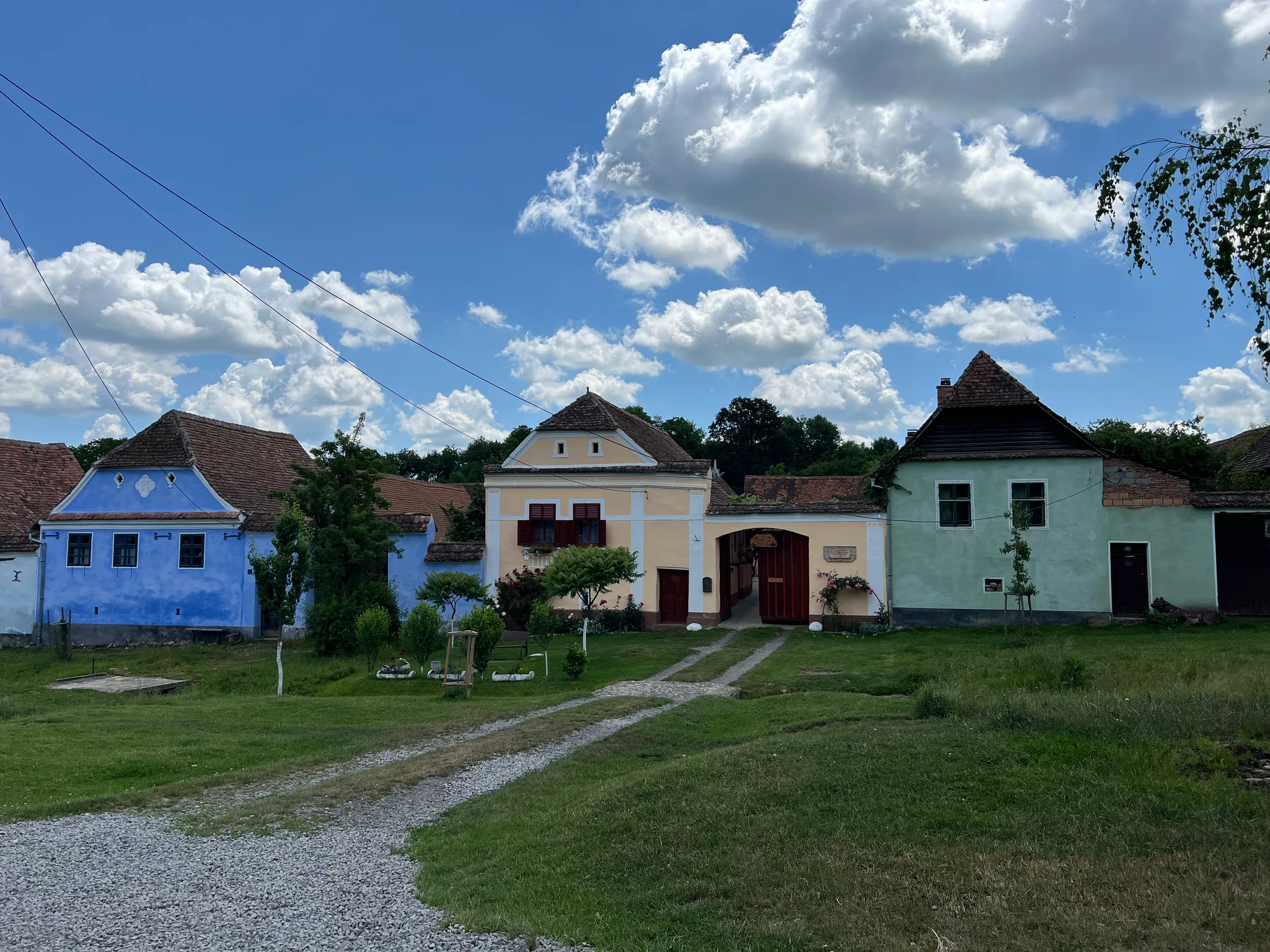
- Viscri
- Rupea Fortress
If you are interested in wildlife, the Libearty Bear Sanctuary in Zărnești is one of the day trips I would seriously consider from Brasov. I visited it myself, and the experience is much more about understanding the rescued bears' stories than simply seeing animals.
The mistake I would avoid is trying to pack every famous Transylvanian destination into the same weekend.
It is easy to create an itinerary that includes Brasov, Bran, Sinaia, Peleș and Sibiu because they look relatively close on a map. In reality, driving, parking, queues and time spent at each place quickly turn that plan into a rushed road trip.
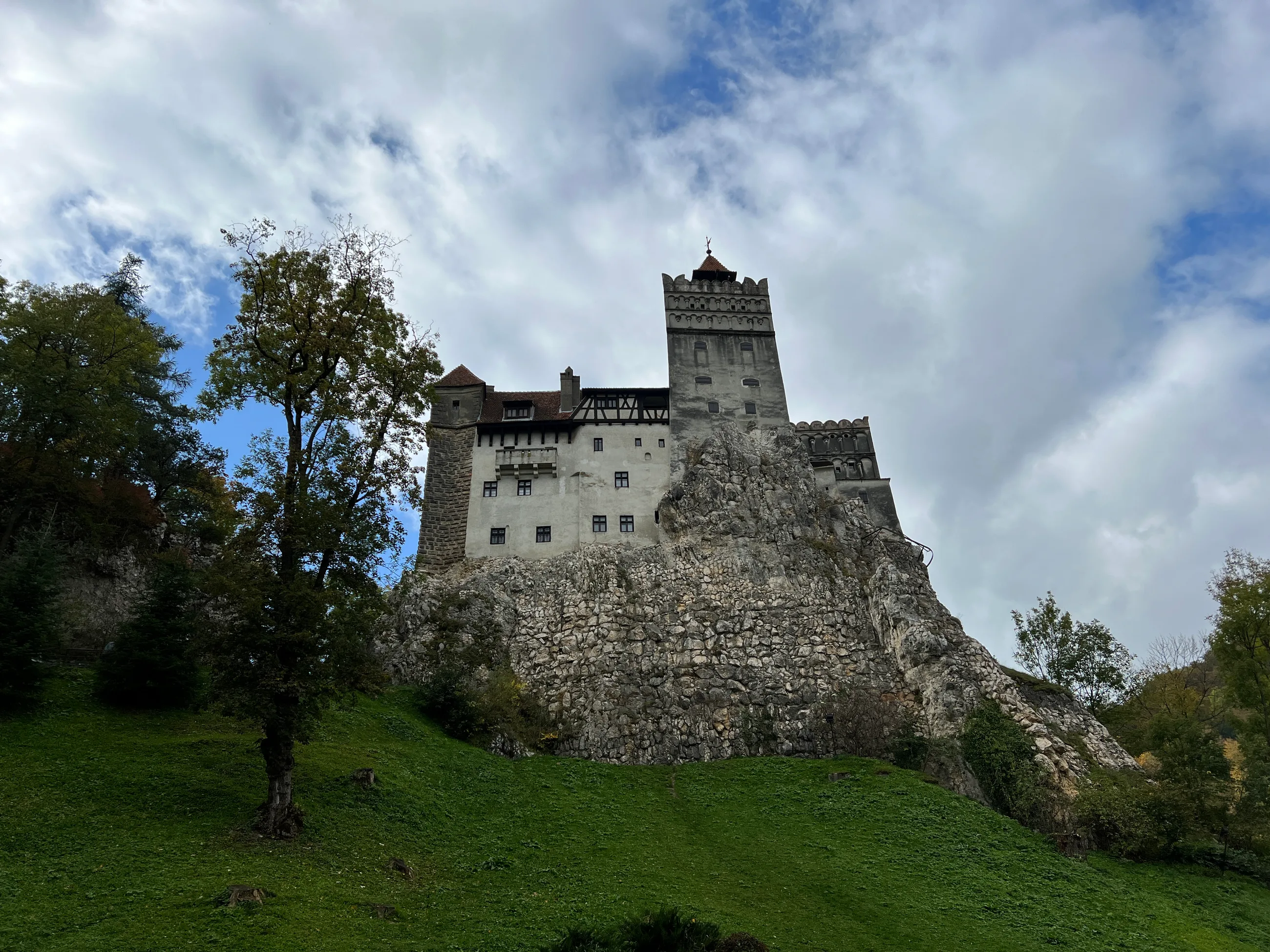
Choose one main day trip rather than trying to collect destinations.
Poiana Brasov
Poiana is easy to combine with a stay in Brasov, particularly in winter.
The main issue during busy ski periods is congestion and parking. If you need ski equipment, compare rental prices in Brasov before heading up because renting directly near the slopes can be more expensive.
During peak weekends, leaving earlier also saves a lot of unnecessary waiting.
Who Will Enjoy Brasov Most?
I think Brasov works particularly well for:
- couples and relaxed city breaks
- travelers who enjoy walking
- people combining cities with nature
- road trips through Transylvania
- visitors who want a base for nearby attractions
It may be less interesting if your priority is luxury shopping, large nightlife districts or a big-city atmosphere.
Brasov is compact. That is one of its strengths, not something I would try to turn into a week-long urban itinerary.
Final Take
Brasov is one of the Romanian cities I would recommend without much hesitation.
It has a historic center that is genuinely pleasant to explore, but it also offers more than Piața Sfatului. You can walk through quieter neighborhoods, reach the mountains quickly and use the city as a practical base for exploring more of Transylvania.
I would give Brasov at least two days, stay within walking distance of the Old Town without necessarily paying for an ultra-central hotel, and add extra nights only if I planned to explore the surrounding region.
That combination of a walkable city, mountain setting and nearby day trips is what makes Brasov stand out for me.
Rate this guide
No ratings yet
Be the first to rate this guide.
Tap to rate
Questions & Comments
Travel Smarter, Not Harder
Get practical travel tips, hidden gems, and real experience-based guides straight to your inbox.
By subscribing, you agree that I may use your email to send newsletter updates, new guide alerts, and occasional travel emails. You can unsubscribe anytime using the link in any email. Read the Privacy Policy and Cookie Policy.
Read Next
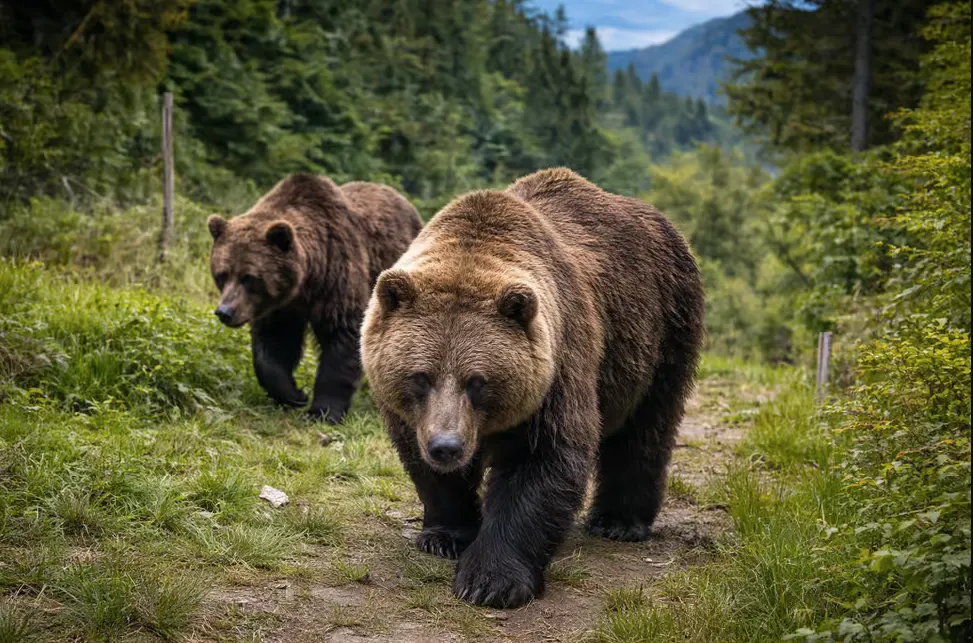
Libearty Bear Sanctuary Zarnesti: Tickets, Hours & What to Expect
Planning to visit Libearty Bear Sanctuary in Zarnesti? Here’s what to know about tickets, visiting hours, guided tours and what the experience is really like.
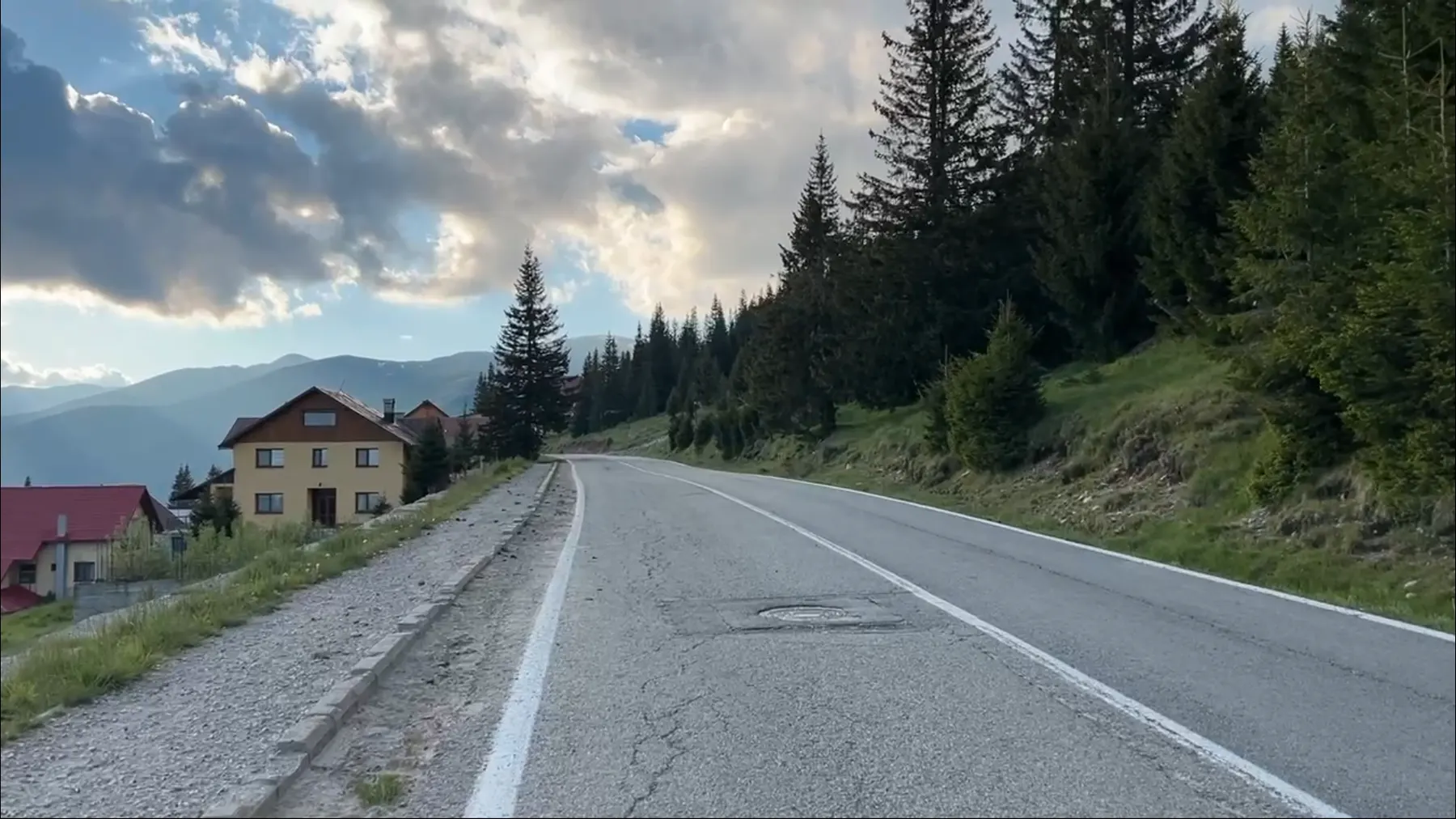
Where to Stay on the Transalpina: My Experience in Ranca
Wondering where to stay on the Transalpina? After driving Romania's highest mountain road several times, I found Rânca to be the most practical base. Here's why I chose it, what to expect, and whether it's the right place for your trip.
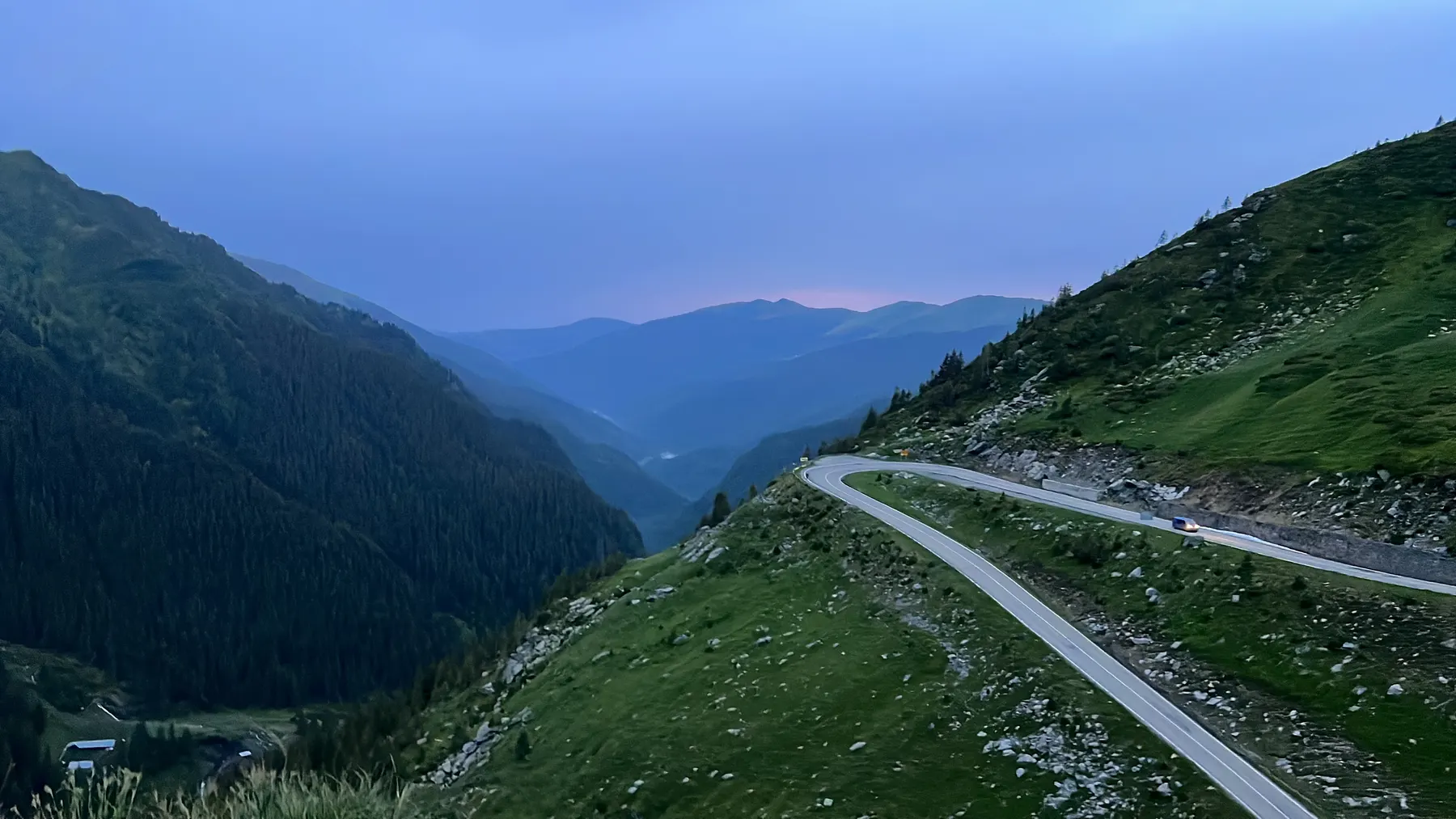
Is Driving the Transfagarasan in the Evening Worth It? My Honest Experience
Thinking about driving the Transfagarasan in the evening? Here's what the experience is really like, including traffic, scenery, safety, and whether sunset is the best time to visit.