
Libearty Bear Sanctuary Zarnesti: Tickets, Hours & What to Expect
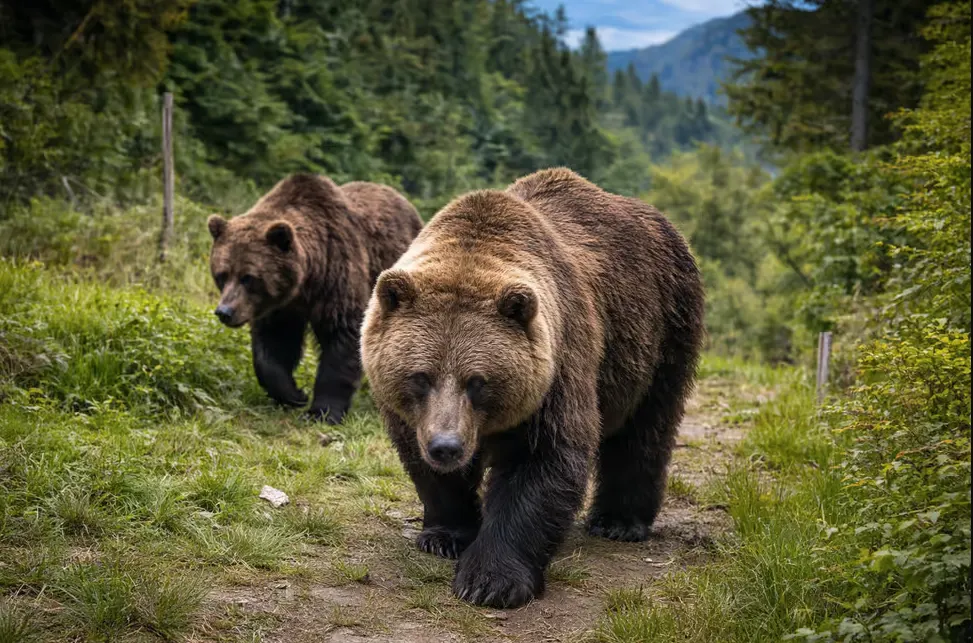
If you are staying in Brasov, the Libearty Bear Sanctuary in Zarnesti is one of the day trips I would seriously consider.
I would not treat it as a place where you simply go to see bears and take photos. The real value of the visit is understanding why these animals are there, how they ended up in captivity and what happens when they can no longer return safely to the wild.
That part stayed with me much longer than simply seeing the bears.
Tickets, Visiting Hours and Tour Format
You cannot simply arrive and walk around the sanctuary on your own. Visits are organized as guided tours in Romanian or English, with limited places and fixed morning departure times.
The classic tour takes about 1 hour 15 minutes and follows a roughly 2 km forest trail. Tours run Tuesday to Sunday, with guided visits scheduled in the morning.
As of October 2026, adult tickets cost 95 RON from Tuesday to Friday and 100 RON on weekends and public holidays. Tickets for children aged 5–18 cost 50 or 55 RON, depending on the day. Children under five are not allowed to enter.
If you're bringing a dedicated photo or video camera, there is an additional 50 RON fee. This fee does not apply to ordinary phone photography.
Check the available departure times and book through the official Libearty Sanctuary website, as schedules and prices can change.
Tickets are sold online and become available up to 10 days before the visit. Because each tour has limited capacity, I would book before making the trip to Zarnesti rather than assuming you can buy a place when you arrive.
Check the official Libearty website before going, because tour times and prices can change.
I would also arrive 15–20 minutes before the scheduled tour. Since entry is tied to a specific guided visit, arriving late is very different from being late to a normal attraction.
How to Get to Libearty Bear Sanctuary from Brasov
The sanctuary is located near Zarnesti, approximately 27 km from Brasov. It isn't within walking distance of the city, so you'll need to plan your transport before booking a guided visit.
By car
Driving is the most convenient option, especially because sanctuary tours take place in the morning. The journey from Brasov generally takes around 40–45 minutes, depending on traffic and your starting point.
Free parking is available at the sanctuary. I'd still allow some extra time so you don't arrive late for your booked tour.
By public transport
You can take a train from Brasov to Zarnesti, with the journey typically taking around 40–55 minutes. However, Zarnesti railway station is not at the sanctuary entrance, so you'll need to arrange the final part of the journey separately, usually by taxi.
There are also buses connecting Brasov and Zarnesti, but reaching the town doesn't mean you've reached the sanctuary.
If you're travelling without a car, check the train or bus schedules alongside your reserved tour time and plan the return journey as well.
My recommendation: If you're already exploring the Brasov area by car, visiting Libearty is straightforward. Without a car, it's still possible, but I'd arrange the final transfer in advance rather than hoping to find transport after arriving in Zarnesti.
If you're planning to spend more time in the area, you can also read my Brasov travel guide, where I explain how long I'd stay, what to expect and which nearby places are worth visiting.
What the Visit Is Actually Like
The sanctuary is not a zoo.
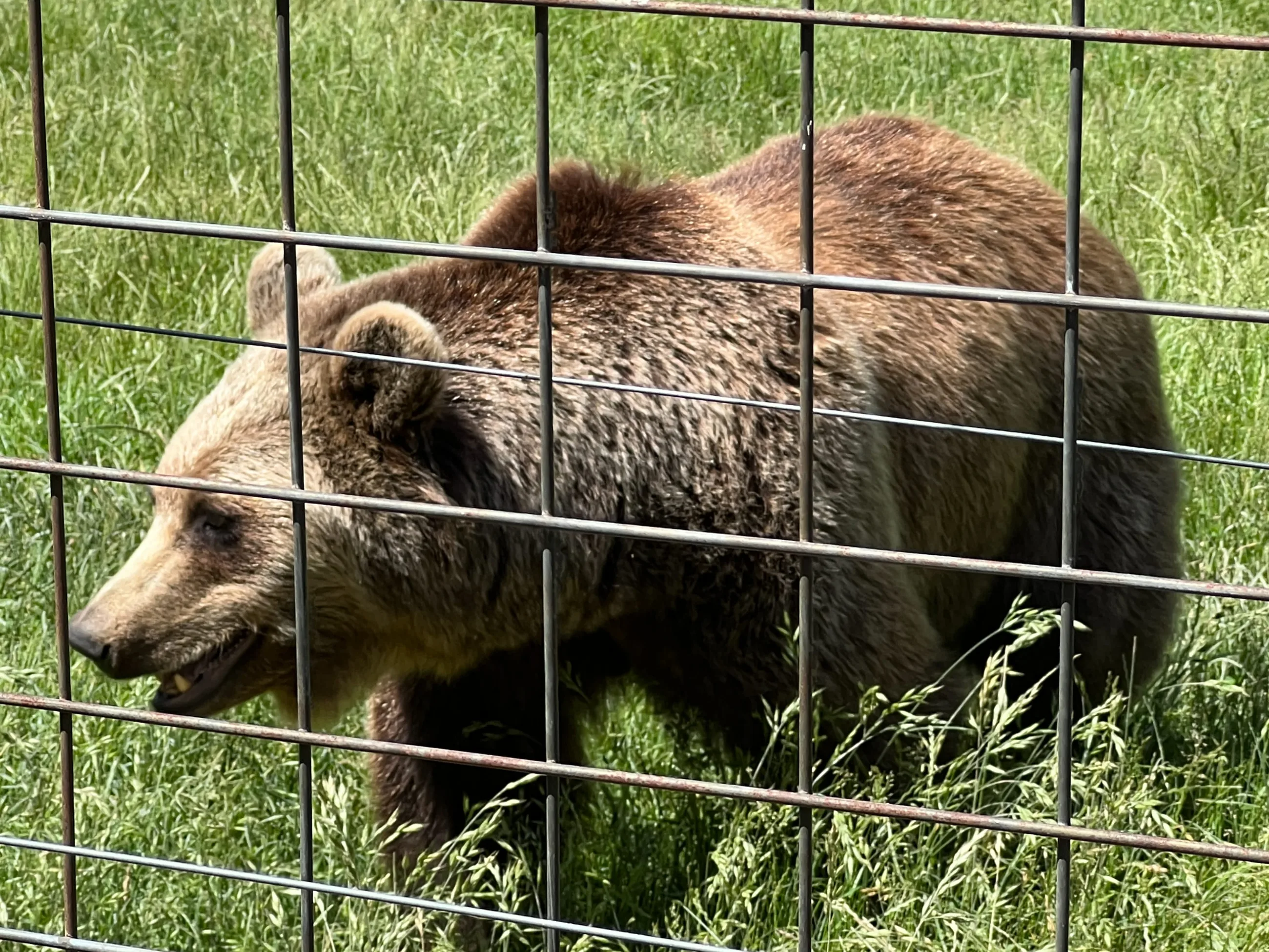
You walk through the forest with a guide while the bears remain inside large wooded enclosures. They are free to move away from the visitor trail, so the experience is not designed around guaranteeing a close-up view of every animal.
I actually think that makes the place more meaningful. You are entering their environment rather than having animals displayed for you.
The guides explain where individual bears came from and why they cannot simply be released back into the wild.
Photography is allowed, but flash is not.
Why the Libearty Sanctuary Exists
Libearty was established in 2005 and now covers about 69 hectares of forest. The organization describes it as the world's largest brown bear sanctuary, with more than 130 rescued bears currently living there.
Many of the bears came from extremely poor captivity conditions, including restaurants, circuses, private properties and inadequate zoos. Some had spent years in small cages before arriving at the sanctuary.
That context matters because this is not a wildlife park containing healthy wild bears temporarily kept behind fences. For many of these animals, the sanctuary is their permanent home because returning them to the wild is no longer realistic.
The Stories Hit Harder Than Seeing the Bears
The guides do not simply point at animals and move on. You hear individual stories about bears that spent years in tiny cages or were kept as entertainment.
That changed the way I looked at the visit.
Seeing a bear walking through the forest is impressive, but understanding that the same animal may previously have spent years on concrete behind a restaurant gives the experience a completely different meaning.
One Lesson I Took Away: Do Not Feed Wild Bears
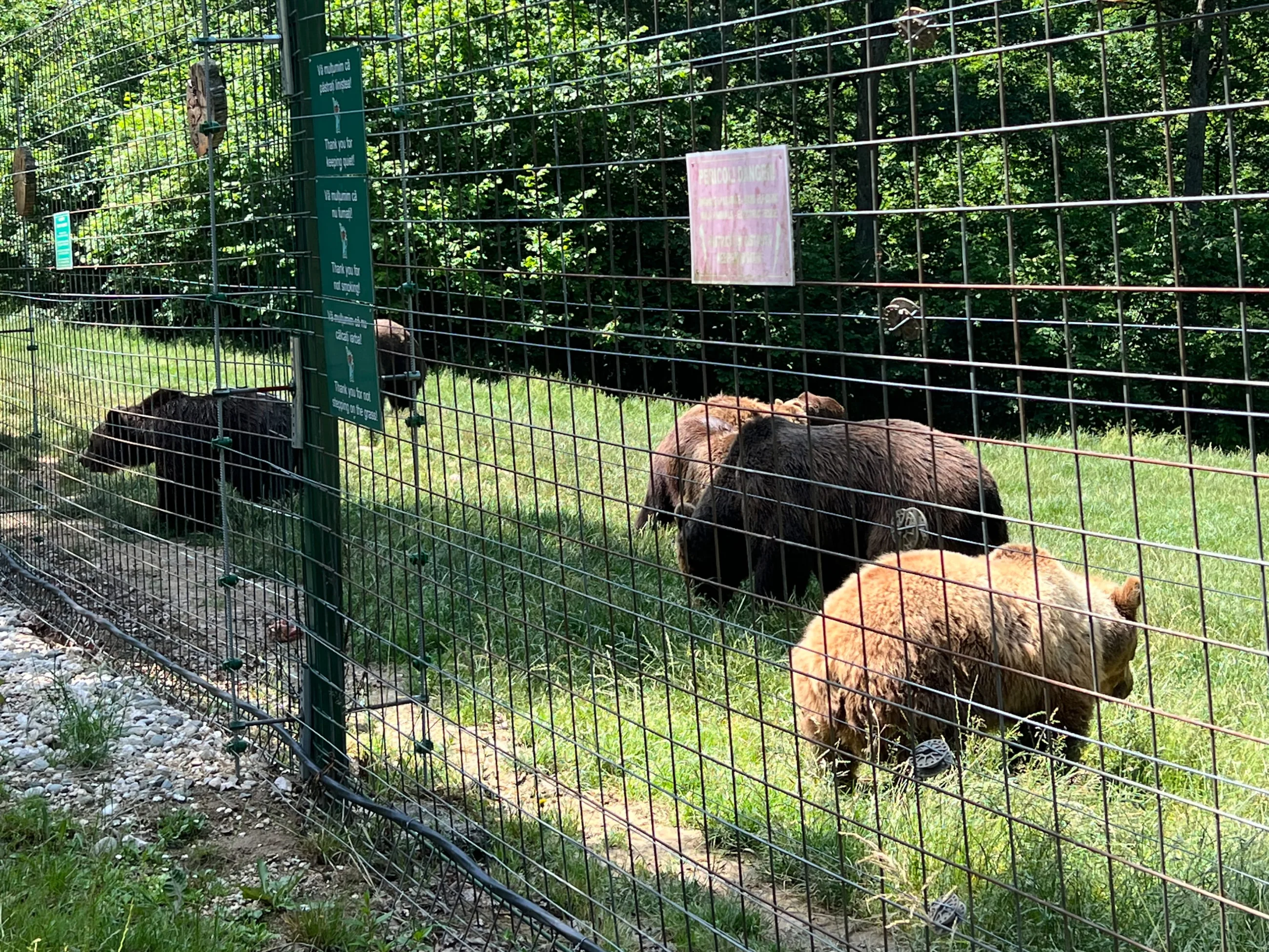
One of the strongest messages I took from the visit was how damaging human feeding can become.
People sometimes stop along mountain roads and throw food to wild bears because it feels harmless. The problem is that bears can begin associating people, cars and populated areas with easy food.
Once that behavior becomes established, encounters between bears and people become much more likely.
So if you see a bear from your car, enjoy the sight from a safe distance, but do not feed it.
That may feel less dramatic than some of the rescue stories inside the sanctuary, but it is probably one of the most useful lessons visitors can take home.
Your Ticket Also Supports the Sanctuary
The visit is not only educational. Ticket revenue helps fund food, veterinary treatment, habitat maintenance and the long-term care of rescued animals. The organization also offers donations and virtual bear adoptions for people who want to contribute further.
Is Libearty Bear Sanctuary Worth Visiting?
For me, yes.
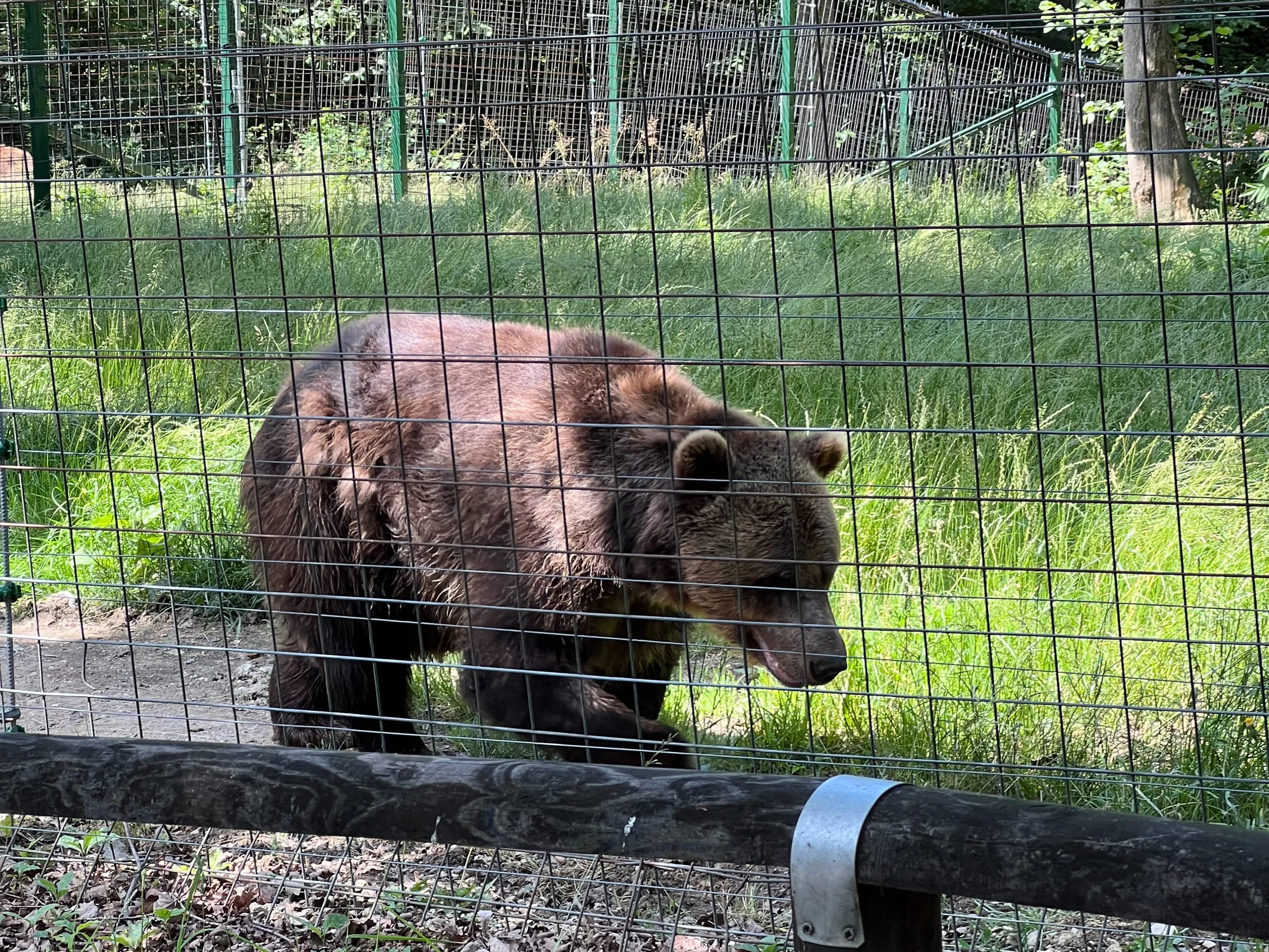
I expected the visit to be mainly about seeing bears. Instead, the most valuable part was understanding why the sanctuary needs to exist in the first place.
If you are already staying in Brasov or travelling through the area, I think it is worth making time for. Just go with the right expectation: this is a rescue and education project first, and a visitor attraction second.
Rate this guide
No ratings yet
Be the first to rate this guide.
Tap to rate
Questions & Comments
Travel Smarter, Not Harder
Get practical travel tips, hidden gems, and real experience-based guides straight to your inbox.
By subscribing, you agree that I may use your email to send newsletter updates, new guide alerts, and occasional travel emails. You can unsubscribe anytime using the link in any email. Read the Privacy Policy and Cookie Policy.
Read Next
Is Brasov Worth Visiting? What to Expect & How Long to Stay
Is Brasov worth visiting? My first-hand guide to what the city is really like, where to stay, when to go, how long you need, parking and day trips.
Where to Stay in Ranca on the Transalpina: My Hotel Experience
Wondering where to stay on the Transalpina? After driving Romania's highest mountain road several times, I found Rânca to be the most practical base. Here's why I chose it, what to expect, and whether it's the right place for your trip.
Is Driving the Transfagarasan in the Evening Worth It? My Honest Experience
Thinking about driving the Transfagarasan in the evening? Here's what the experience is really like, including traffic, scenery, safety, and whether sunset is the best time to visit.