
Is Milan Worth Visiting? My Experience After a Short Stay
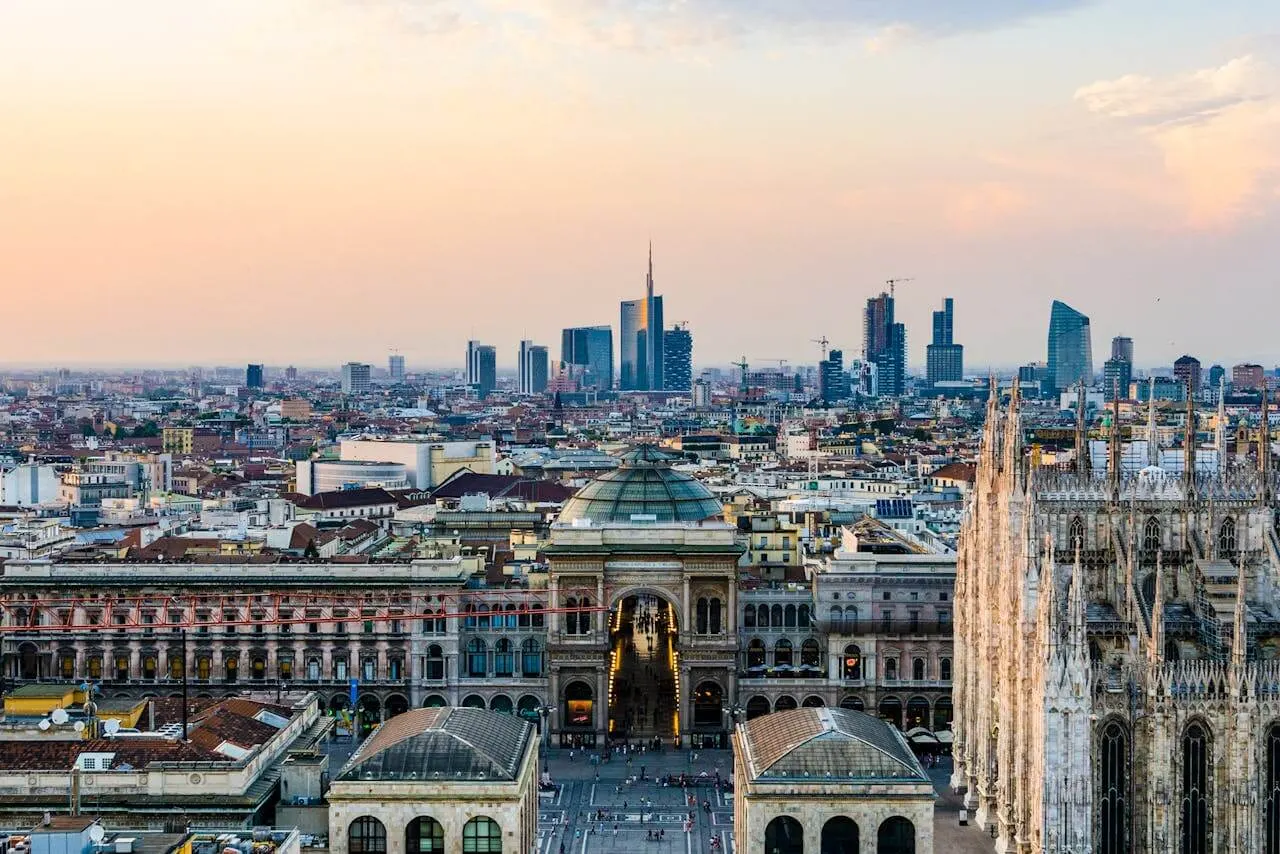
I spent a short stay in Milan, around one full day with some extra time around it, and stayed close to the center. That gave me enough time to visit the places I was actually interested in without trying to turn the trip into a checklist.
I saw the Duomo, walked through Galleria Vittorio Emanuele II, continued to Castello Sforzesco and Parco Sempione, and spent the rest of the time wandering around central Milan.
My overall impression was mixed. The Duomo is genuinely impressive and worth seeing, but Milan as a city did not leave me wanting to come back for another dedicated trip. It felt much more commercial and business-oriented than the Italy I usually enjoy travelling for.
The Duomo Was the Main Highlight
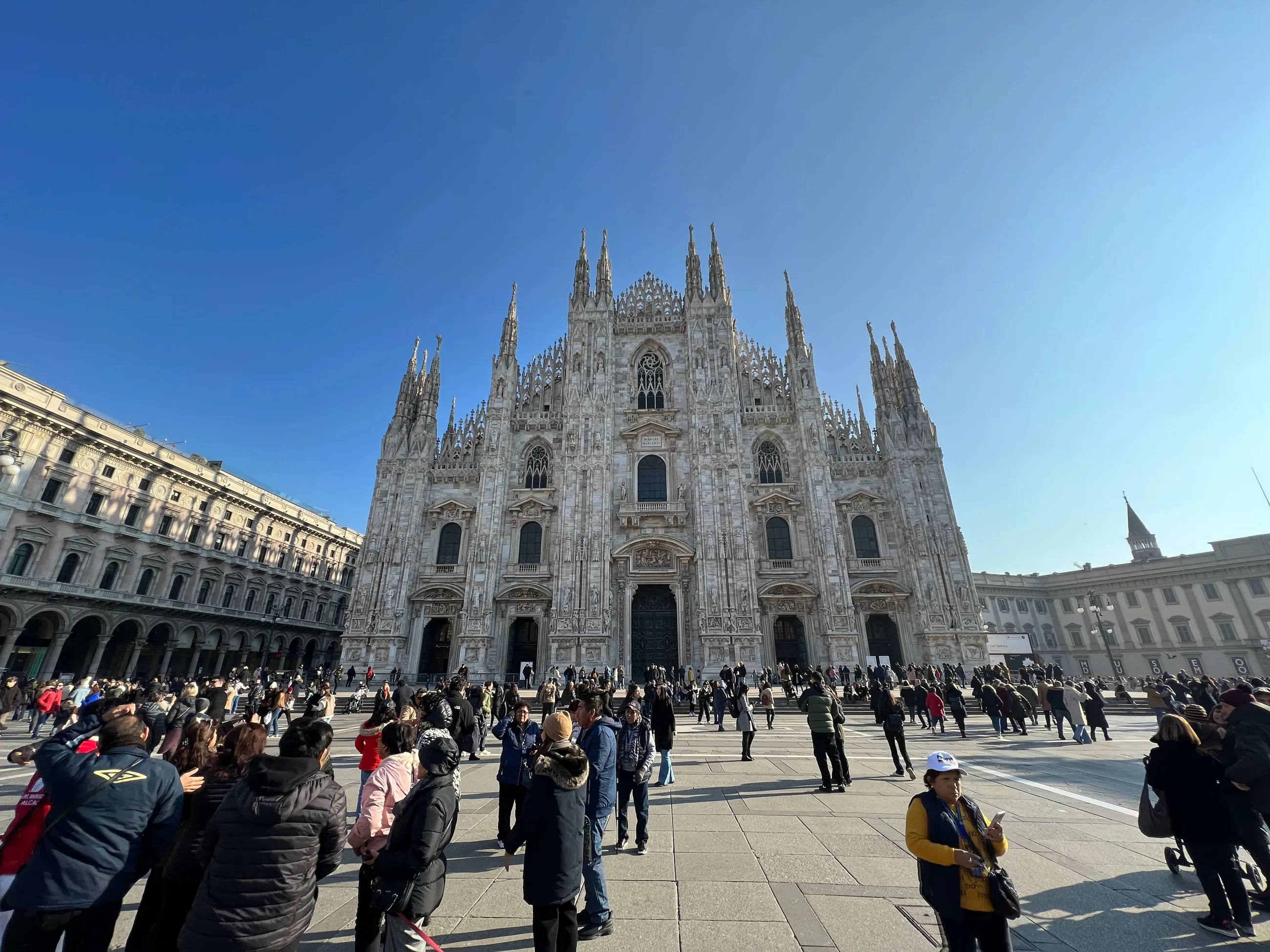
The Duomo was easily the most impressive place I saw in Milan.
Photos give you an idea of the architecture, but the scale and amount of detail are much easier to appreciate once you are standing in Piazza del Duomo. Even if Milan itself does not appeal to you that much, the cathedral alone gives you a good reason to stop in the city if you are already passing through northern Italy.
The main downside is the crowd. During the day the square becomes extremely busy, with tourists, tour groups and people constantly moving through the area. If you care about photography and want a cleaner view of the cathedral, I would go early in the morning. Later in the day, getting a photo without dozens of people in the frame becomes difficult.
I stayed close to the center, which made it easy to walk back through the area at different times of day. For a short Milan trip, I think paying a little more for a central location can make more sense than saving money farther away and spending extra time on transport.
Galleria Vittorio Emanuele II
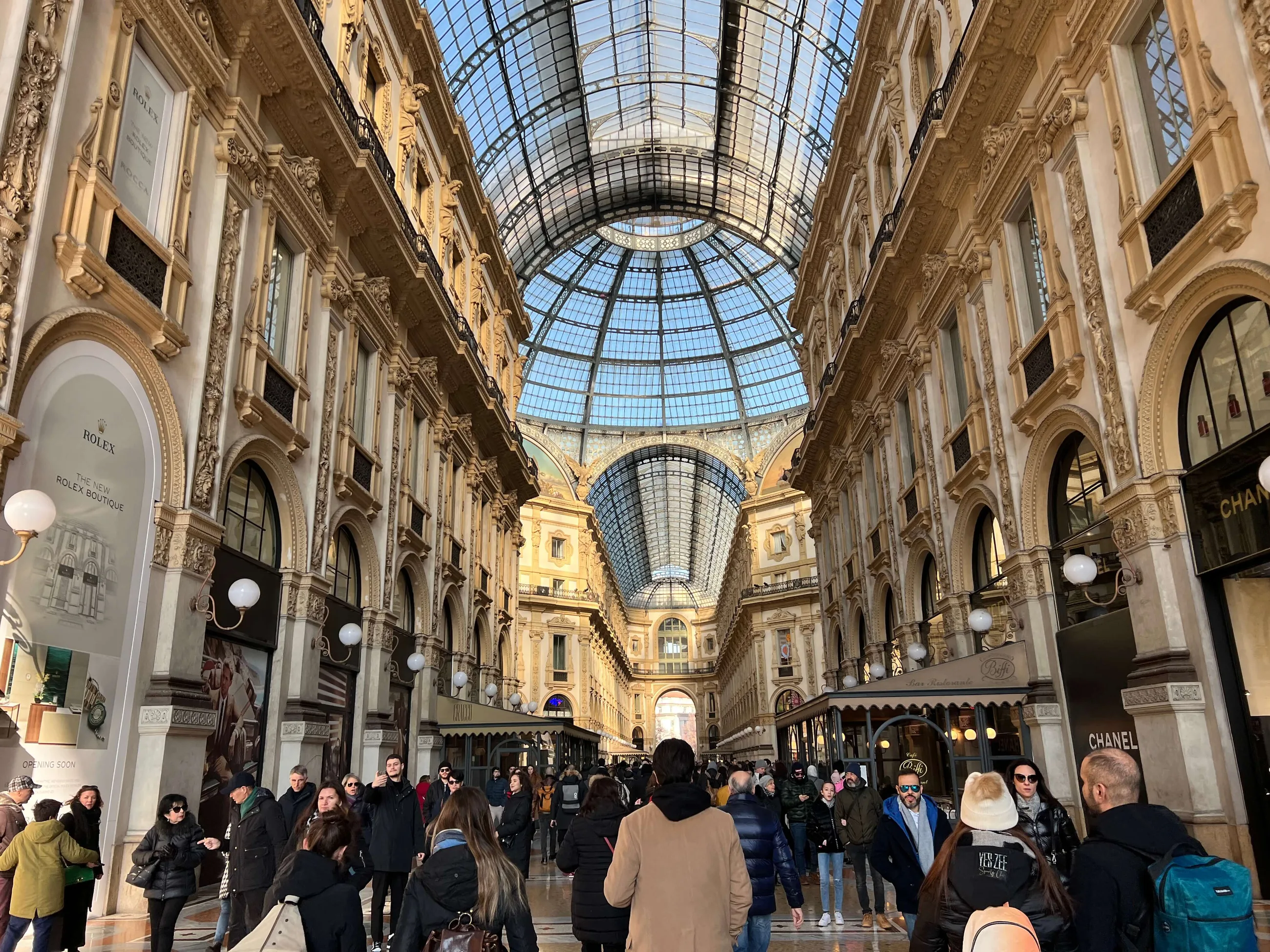
Galleria Vittorio Emanuele II is right next to the Duomo, so naturally I walked through it as well.
The building itself is beautiful. The glass roof, symmetry and ornate interior make it one of the most recognizable places in Milan, and it is worth seeing if you are already in the area.
What you actually do there depends heavily on whether you enjoy luxury shopping.
I do not, so after walking through the gallery and taking some photos, there was not much else for me personally. Most of the experience revolves around shops, cafés and restaurants in a premium tourist location. I found the prices high for what you get, especially around the Duomo and Galleria.
I would still include it in a first visit because it takes almost no effort to see, but I would not plan a large part of the day around it unless shopping is one of the reasons you came to Milan.
Castello Sforzesco and Parco Sempione
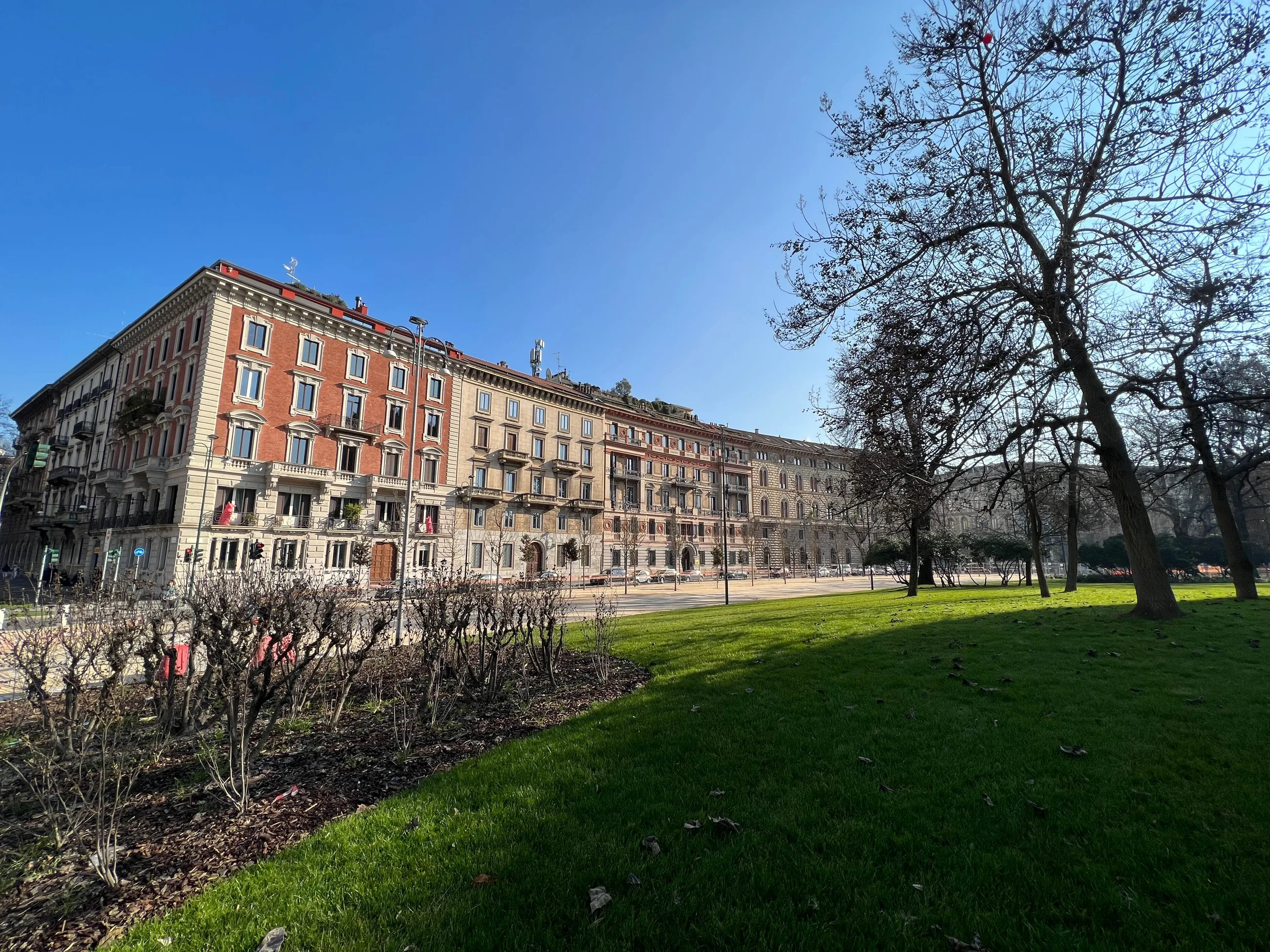
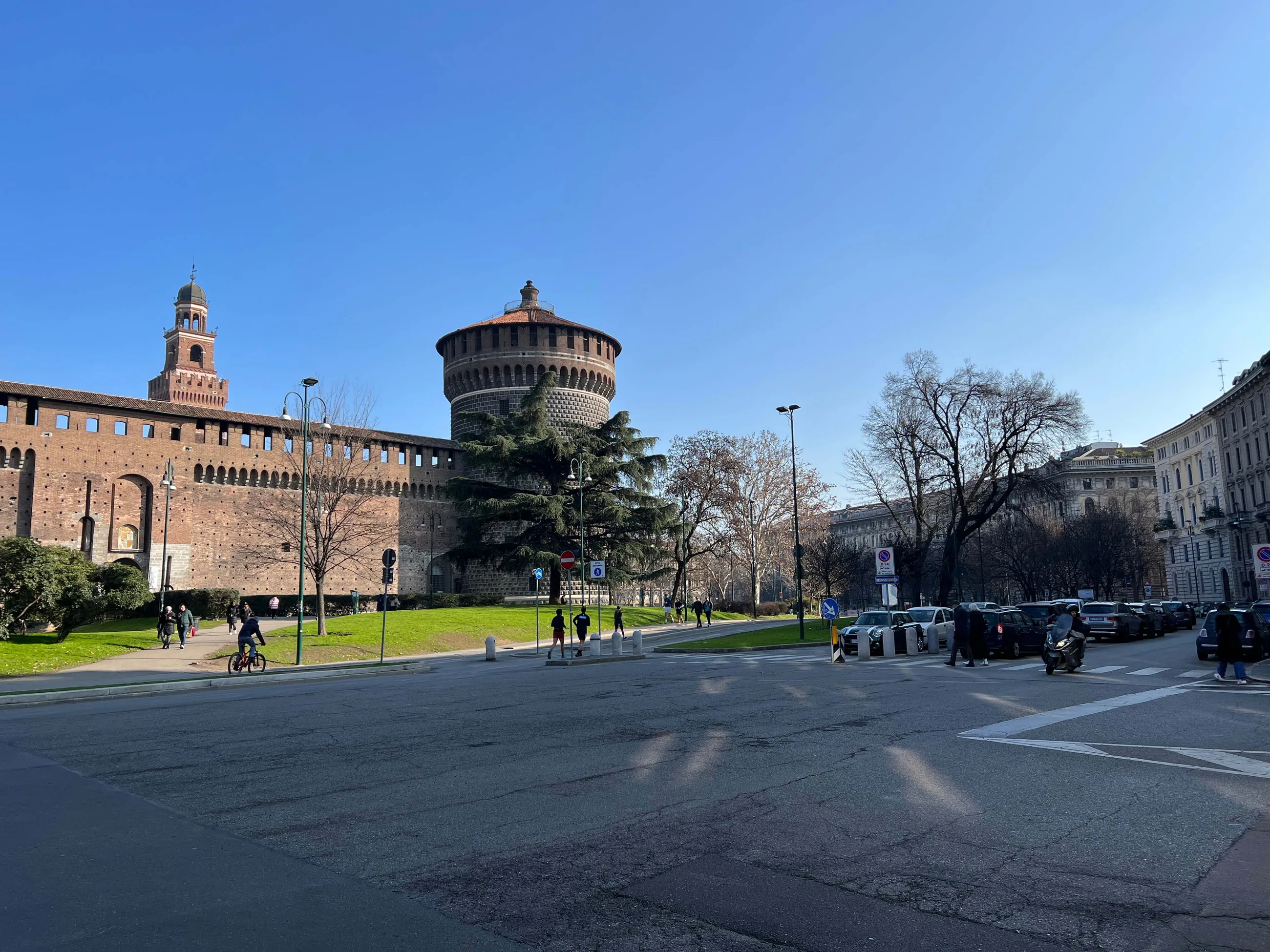
From the center I also went to Castello Sforzesco and Parco Sempione.
This part of Milan felt much more relaxed to me than the area around the Duomo. The castle gives the city some of the historical atmosphere I was looking for, while the park is a pleasant place to walk after spending time in the busiest central streets.
I did not try to visit every museum inside the castle. My trip was short and I was more interested in walking through the complex, seeing the architecture and continuing through the park.
If you are staying longer and enjoy museums, there is obviously more to see in this area than I covered. My experience was simply based on a short city visit rather than a full cultural itinerary.
How Much Time Did Milan Feel Like It Needed?
For the type of visit I had, one full day was enough. The main places I wanted to see were close enough to combine on foot without rushing constantly, and by the end of the day I did not feel that I had left behind a long list of attractions I personally needed another two or three days for.
That does not mean Milan only has enough content for one day. Someone interested in art could visit places such as the Pinacoteca di Brera or plan ahead for The Last Supper. Fashion, design, football and shopping can also turn Milan into a completely different trip.
For me, though, those were not the reasons I was there.
If your interests are mainly general sightseeing and seeing the most famous parts of the city, I would start with a short stay rather than automatically allocating several days.
Getting Around Milan
Milan has a large public transport system, but during my stay I barely needed it because I was based centrally and most of the places I wanted to visit were within a reasonable walking distance.
That is another reason I would not rent a car for a short city trip.
Driving would add parking, traffic and restrictions without giving much benefit if your plans revolve around the central sights. If your hotel is farther out or you want to explore more distant areas, the metro and trams make far more sense than bringing a car into the center.
For the itinerary I followed, walking was enough for most of the day.
Food Around the Center Was Disappointing
Food was one part of Milan that did not impress me.
Most of what I tried was around the central tourist area, particularly near the Duomo, so I would not use my experience to judge the entire Milanese food scene. That would not be fair after such a short stay.
What I can say is that the restaurants and cafés I encountered in the most touristy part of the city often felt expensive for fairly average food.
I did not get the same feeling I associate with eating in other parts of Italy, where even a simple meal can feel connected to local tradition. Around central Milan, much of what I saw felt designed more around location and tourist traffic than around giving you a memorable Italian meal.
If food matters to you, I would research restaurants outside the immediate Duomo area instead of simply choosing whatever looks convenient nearby.
Milan Felt More Commercial Than Historic
This was probably the biggest reason Milan did not connect with me.
I usually enjoy cities where I can walk for hours through old streets and keep finding historical details, small squares, churches, viewpoints or places that make me want to turn down another street just to see what is there. Milan felt different.
It seemed faster, more modern and much more commercial, with fashion and business forming a large part of its identity. There are historical landmarks, of course, but the city as a whole did not give me the same feeling I get in more traditional Italian destinations.
There was plenty of activity and a lot of young people, but that trendy image did not automatically make the city more interesting to me as a tourist.
That is a personal preference rather than a criticism that applies to everyone. Someone visiting specifically for fashion, design, major exhibitions or shopping could have a completely different opinion.
Crowds and Tourist Hassles
The central part of Milan is busy, especially around the Duomo.
Like in many major European tourist areas, it is worth keeping an eye on your phone and wallet and ignoring strangers who approach with unsolicited offers, gifts or anything that immediately feels like it will turn into a request for money.
Nothing happened during my visit that would stop me from returning, but I did find the combination of crowds, tourist-oriented businesses and constant activity tiring after a while.
Going out early in the morning helps a lot if you want to experience the center when it feels calmer.
Who I Think Milan Makes More Sense For
I probably would have enjoyed Milan more if the purpose of my trip had been different.
It makes much more sense if you are interested in fashion, luxury shopping, contemporary design, art museums, football or a specific event. Milan is also extremely well positioned as a transport hub, so it can be a convenient stop between other destinations in northern Italy or Europe.
My visit was mainly about seeing the city itself.
From that perspective, I saw the places I wanted to see, enjoyed the Duomo and parts of the center, but did not leave with a strong desire to return.
Would I Visit Milan Again?
I would not book another trip specifically for Milan.
If I had another flight connection there, needed an overnight stop or happened to be travelling through northern Italy, I would have no problem spending some time in the city again. I would happily walk past the Duomo, revisit the center and perhaps use the opportunity to see something I missed the first time.
As a destination on its own, though, Milan simply did not appeal to me enough to plan another trip around it.
For my travel style, it works better as a short stop than as the main reason for the journey.
Rate this guide
No ratings yet
Be the first to rate this guide.
Tap to rate
Questions & Comments
Travel Smarter, Not Harder
Get practical travel tips, hidden gems, and real experience-based guides straight to your inbox.
By subscribing, you agree that I may use your email to send newsletter updates, new guide alerts, and occasional travel emails. You can unsubscribe anytime using the link in any email. Read the Privacy Policy and Cookie Policy.
Read Next
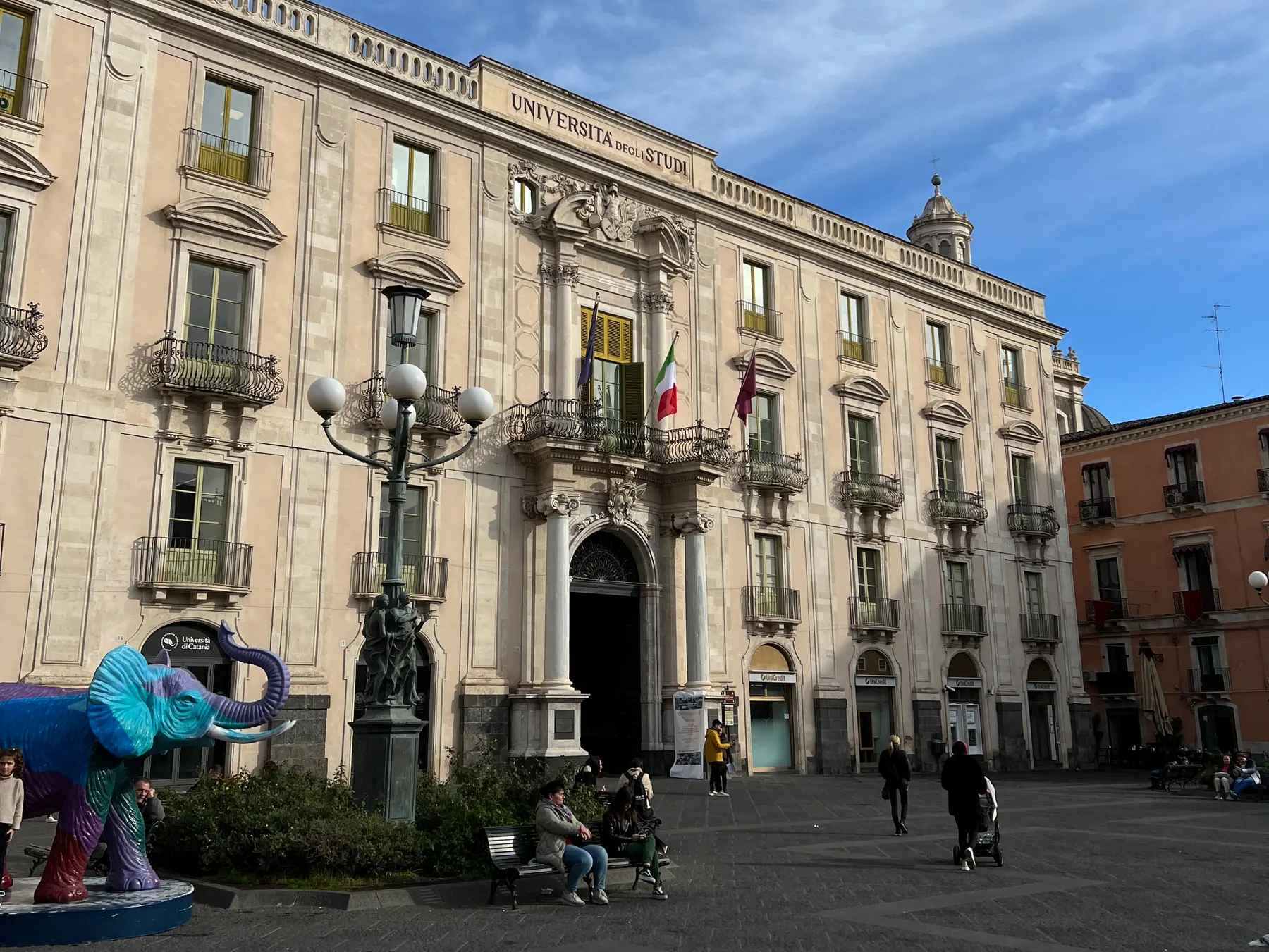
One Day in Catania: What I’d Actually See and Skip
Only one day in Catania? Here’s a realistic itinerary with what to see, what to skip, where to walk and how to avoid wasting time.
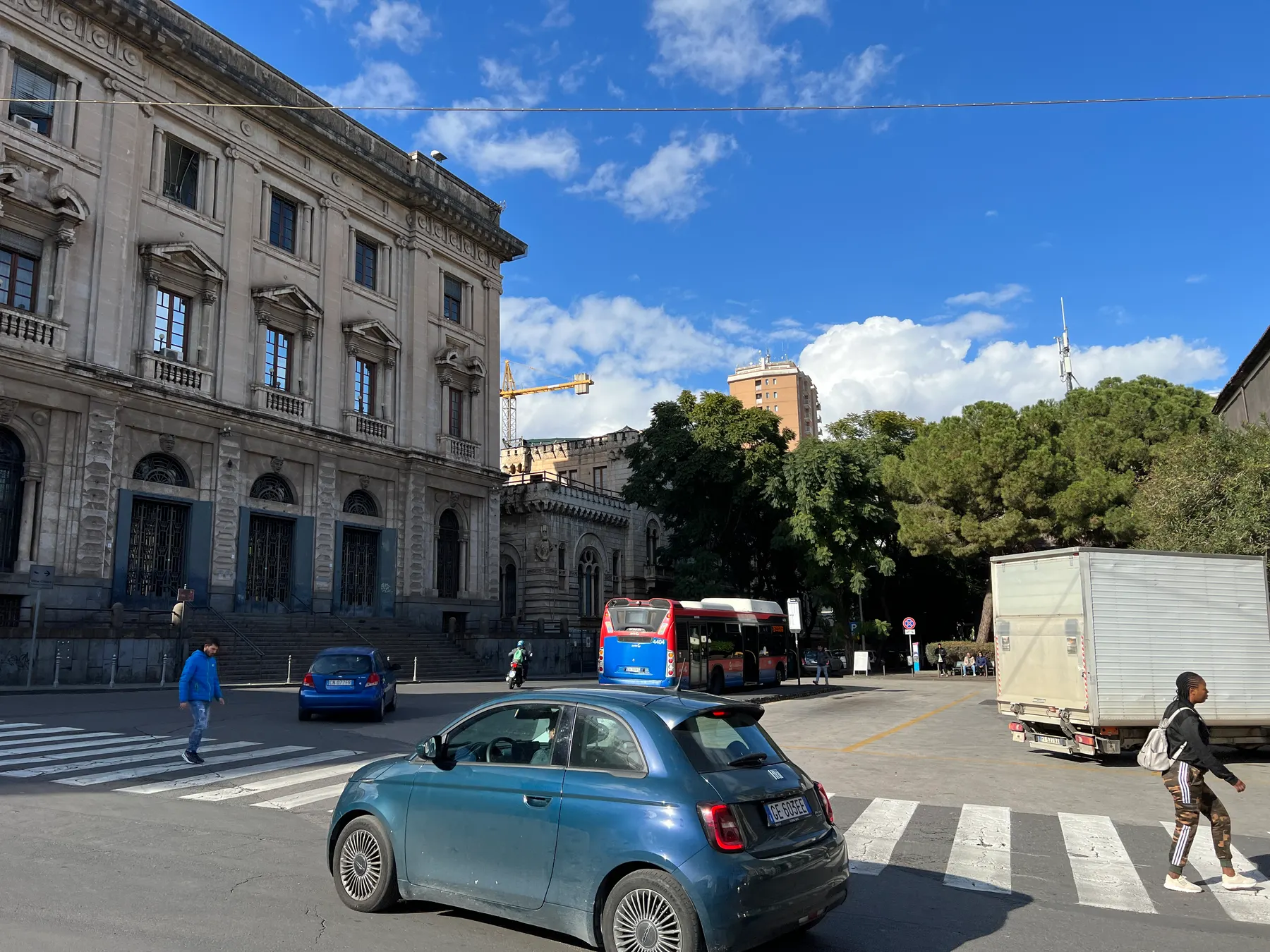
Catania Airport to City Center: Alibus, Taxi & Late-Night Options
How to get from Catania Airport to the city center, including the €4 Alibus, taxis, Uber and what to do if your flight lands around midnight.
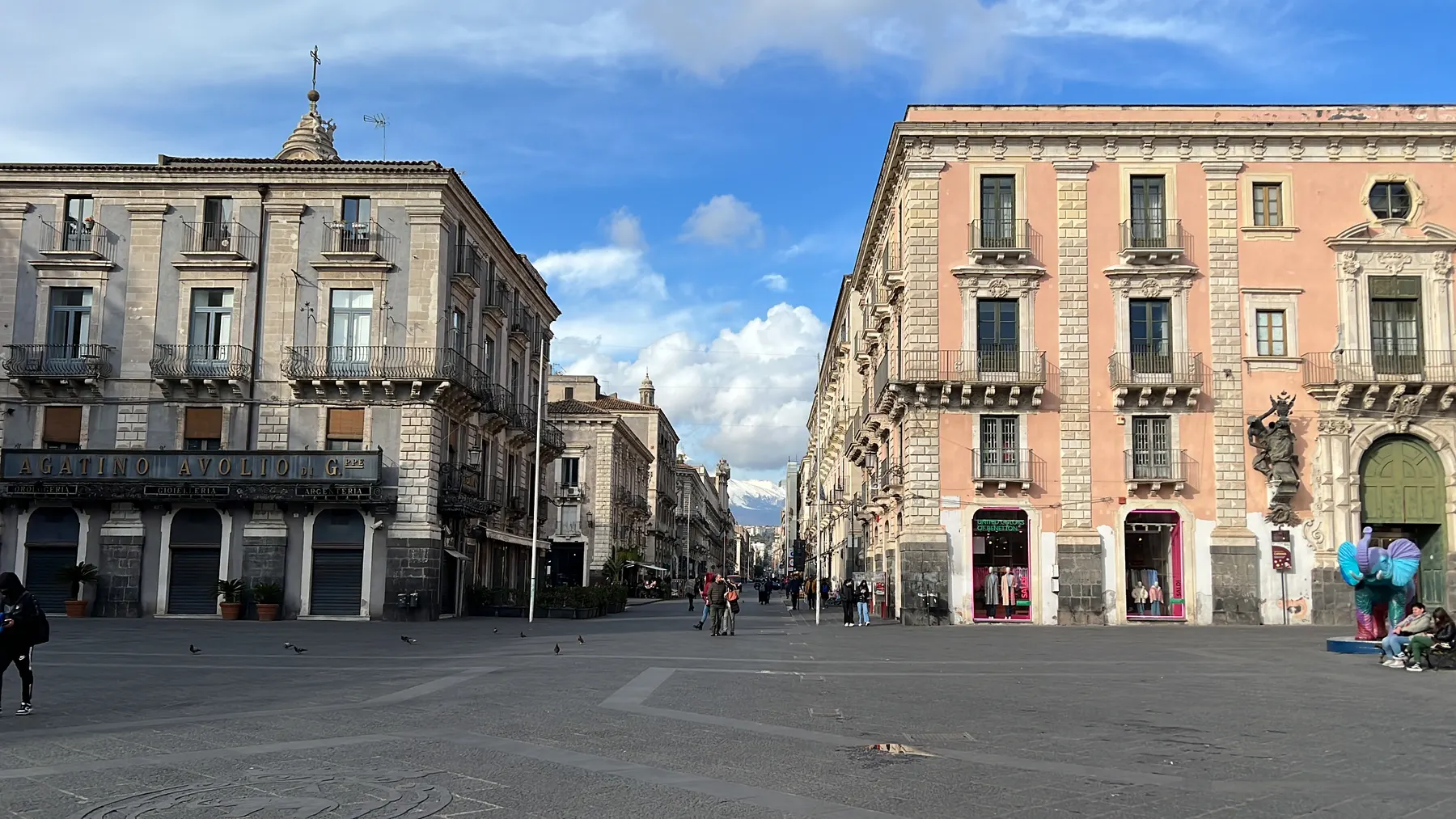
Is Catania Expensive? What I Actually Paid for Hotel, Food, Taxi & Etna
Catania can be affordable, but hotels, airport taxis and Mount Etna can quickly increase your budget. Here’s where the money actually goes and where you can save.