
Soroca, Moldova Travel Guide: What to See & How to Get There
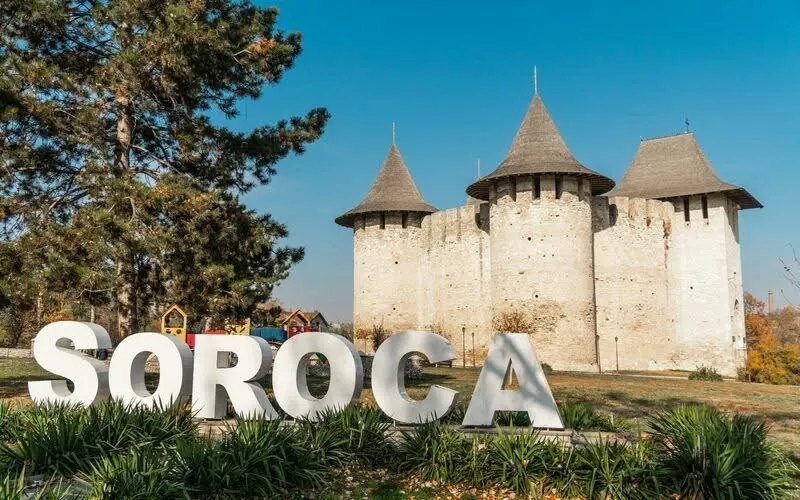
I grew up in Soroca, so I know both the places visitors usually come for and the parts of the city that rarely make it into travel guides.
Soroca is small and far less touristy than Chișinău or Orheiul Vechi, but it has some of Moldova’s most distinctive sights: a restored medieval fortress on the Dniester, the unusual Roma Hill, and one of the best viewpoints over the river.
This guide covers what is actually worth seeing, how to get to Soroca from Chișinău, where to stay, how much time you need, and a few practical things that are useful to know before you arrive.
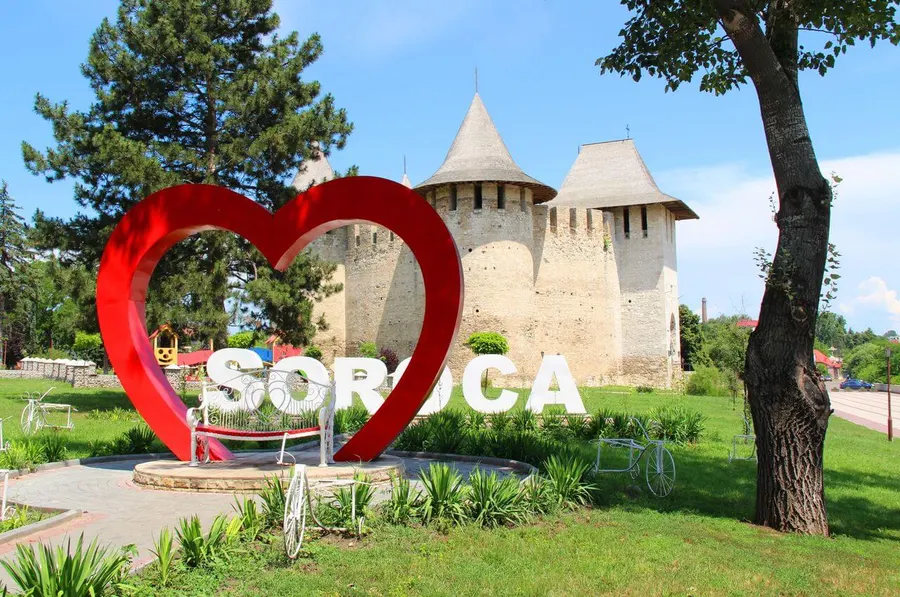
Is Soroca Worth Visiting?
Yes — especially if you want to see a side of Moldova that feels very different from the capital.
Soroca is not a polished tourist destination with a long list of attractions packed into a small old town. The main sights are spread around the city, tourism infrastructure is limited, and you should not expect the atmosphere of Prague, Budapest, or even central Chișinău.
What makes Soroca interesting is the combination of the fortress, the Dniester River, Roma architecture, local history, and the fact that the city still feels primarily like a place where people live rather than somewhere built around tourism.
For most travelers, one full day is enough. I would particularly recommend Soroca if you are already spending several days in Moldova and want to make a day trip outside Chișinău.
Where Is Soroca?
Soroca is in northern Moldova, around 150 km from Chișinău, on the western bank of the Dniester River opposite Ukraine.
Romanian is the official language, while Russian is also widely spoken. English is less common than in central Chișinău, although younger people are more likely to understand it.
The local currency is the Moldovan leu (MDL). Card payments are becoming more common, but I would still carry some cash, particularly for transport, small shops, markets, and minor attractions.
The city itself is relatively compact. Most central places can be reached on foot, although several attractions outside the center are easier to visit by taxi or car.
Best Things to See in Soroca
Soroca Fortress
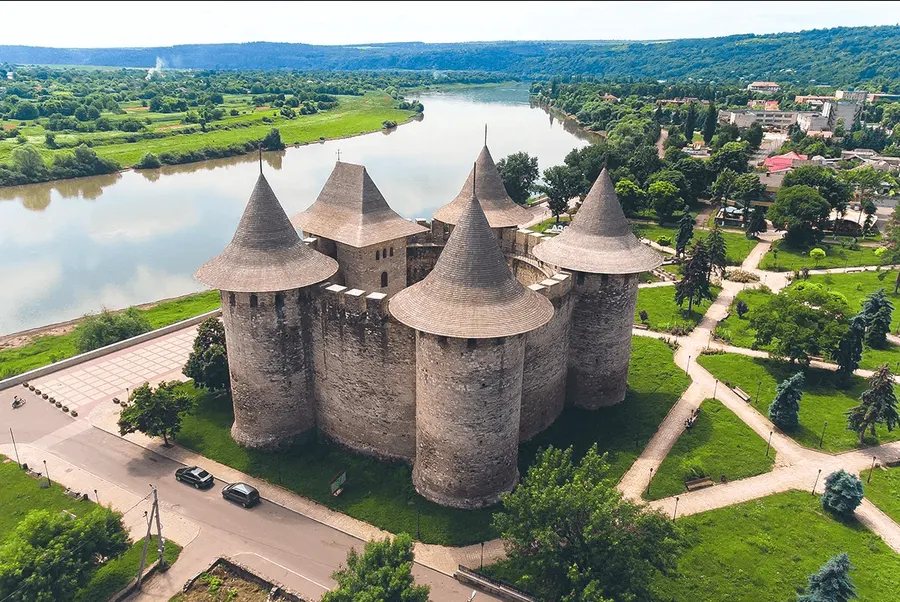
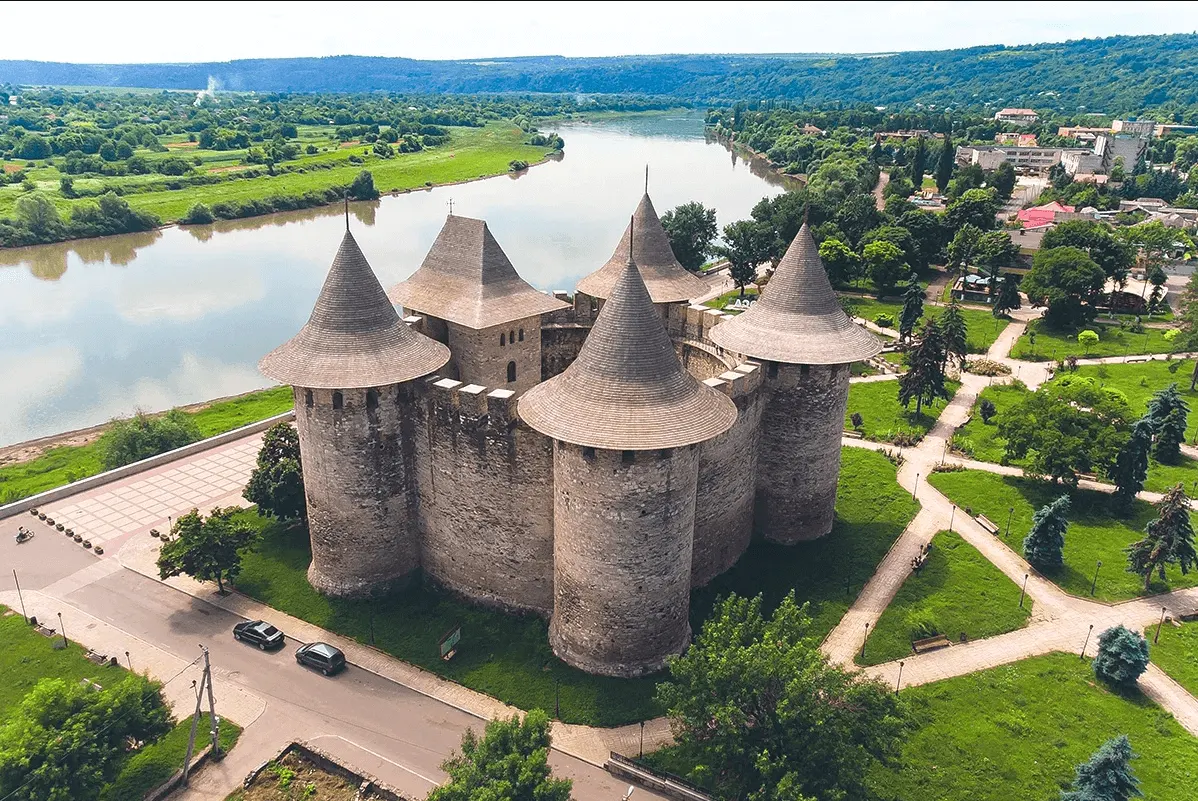
Soroca Fortress is the main reason most travelers come to the city.
The original wooden fortress was built during the rule of Stephen the Great in the 15th century and was later rebuilt in stone under Petru Rareș in the 16th century. Its circular shape and five defensive towers make it one of the most recognizable historical monuments in Moldova.
The fortress has been restored and reopened to visitors. I would allow at least an hour to explore it without rushing.
Opening schedules can change, so rather than relying on old information copied across travel sites, check the current details before your visit.
For opening hours, tickets, what you can see inside and practical advice, read my separate guide to visiting Soroca Fortress.
Roma Hill (Dealul Romilor)
Soroca is known for its large Roma community, and the hill above the city contains some of its most unusual architecture.
You will see large and elaborate houses, some incorporating architectural elements inspired by famous buildings and classical styles. It is one of the places that surprises foreign visitors most because it looks completely different from the rest of Soroca.
Remember that this is a residential neighborhood, not an open-air museum. Walk around respectfully and avoid photographing people or private homes at close range without permission.
Candle of Gratitude
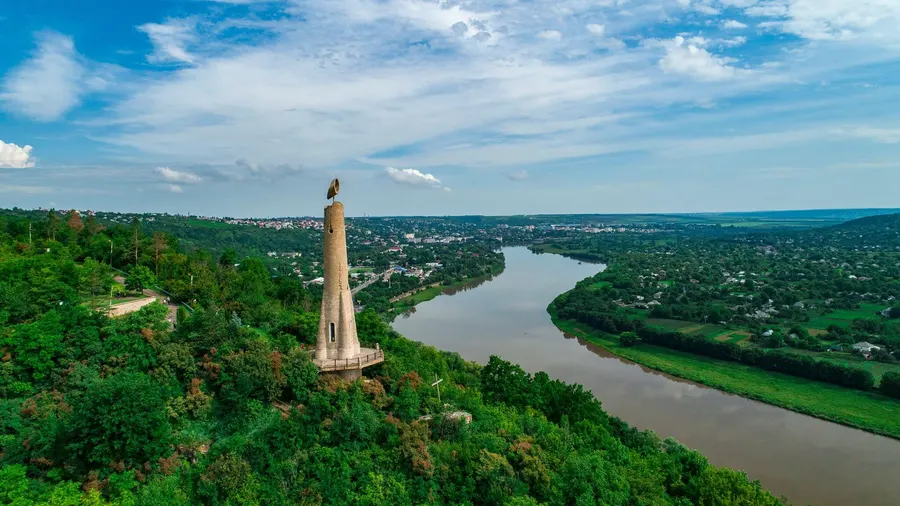
The Candle of Gratitude (Lumânarea Recunoștinței) stands on a high hill near the entrance to Soroca and is one of the best viewpoints in the area.
The monument is almost 30 meters tall and was inaugurated in 2004. It commemorates the cultural heritage preserved by previous generations and is also associated with the anonymous creator of the traditional ballad Miorița.
Reaching it from the bottom involves climbing roughly 560 steps, but the view over the Dniester valley is worth the effort.
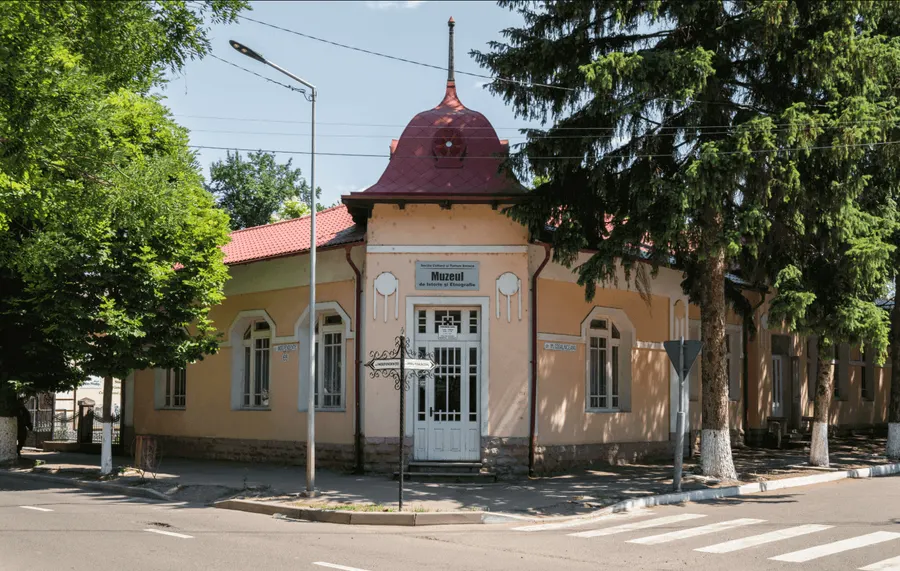
History and Ethnography Museum
If you want more context about the region rather than simply seeing the main landmarks, visit Soroca’s History and Ethnography Museum.
Its collection contains more than 30,000 objects, including archaeological discoveries, traditional clothing, historical objects and artifacts connected with the Soroca area.
I would treat it as an optional stop rather than an essential one if you only have a few hours in the city.
Maramureș-Style Wooden Church
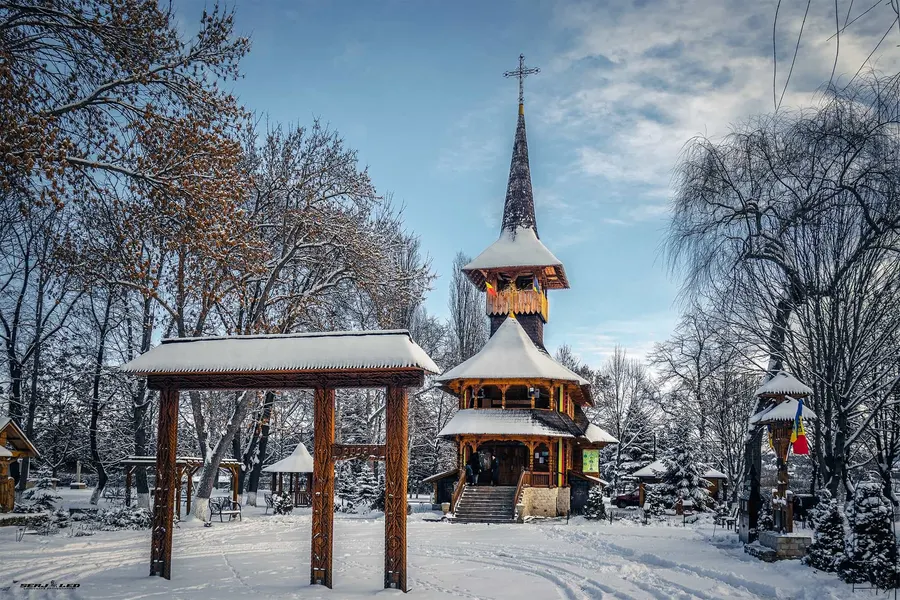
Soroca also has a wooden church dedicated to the Brâncoveanu Saints, built in a traditional Maramureș architectural style.
It is quite different from the churches normally seen in this part of Moldova and is worth a short stop if you are already nearby.
Dniester River Promenade
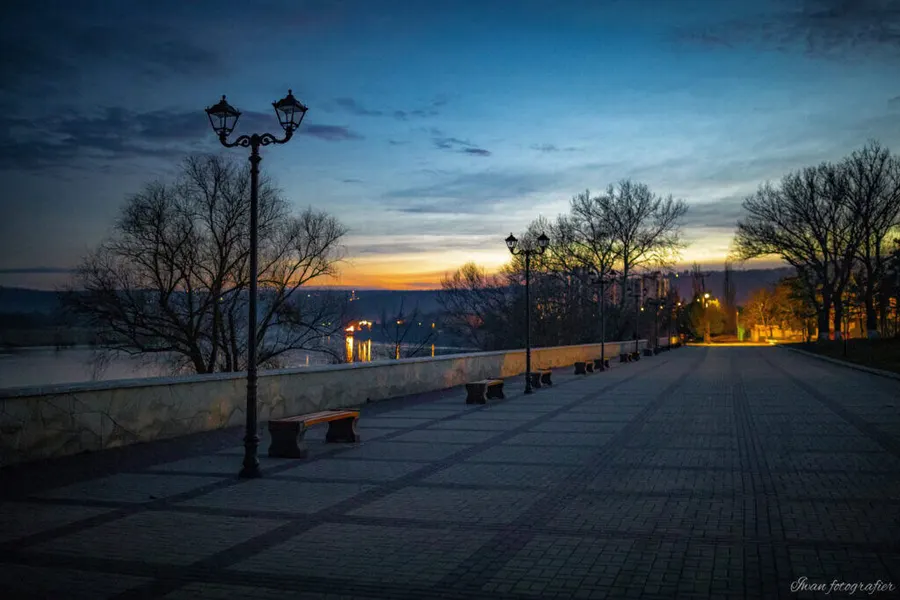
The riverfront is not a major attraction by itself, but it is one of the nicest places to walk once you have finished visiting the fortress.
I prefer it in the late afternoon or evening, when the area is quieter and you can walk along the Dniester without needing a particular destination.
Bechir’s Cave
Bechir’s Cave is a small rock-hewn hermitage carved into a chalk cliff on the outskirts of Soroca.
It is connected with several local legends and is much less visited than the fortress or Candle of Gratitude. I would consider it an optional stop if you have extra time rather than something to prioritize on a short visit.
Places to Visit Near Soroca
If you have a car and more than one day, there are several places outside the city that are worth adding to the trip.
Cosăuți Monastery (View on map)
Cosăuți Monastery is a peaceful stone monastery a short drive north of Soroca. The village is also known locally for stone carving.
Rudi Monastery (View on map)
Rudi Monastery is farther from Soroca and sits in a quiet, forested area. It makes more sense as part of a road trip than as an addition to a short day trip by public transport.
Struve Geodetic Arc (View on map)
Near Rudi you can also visit one of the points belonging to the Struve Geodetic Arc, the historic surveying network used to measure the size and shape of the Earth and now included on the UNESCO World Heritage List.
How to Get to Soroca from Chișinău
Soroca does not have a railway connection that is useful for tourists, so most visitors arrive from Chișinău by minibus, bus, or car.
By Minibus or Bus
Public transport is the cheapest option and the one I would use if you are traveling without a car.
Services leave from Chișinău North Bus Station (Gara de Nord). The journey normally takes around 2.5–3 hours, depending on traffic and the number of stops.
There are several departures during the day, but schedules can change, so check [autogara.md](https://autogara.md) shortly before travelling rather than relying on an old timetable.
Buying your return ticket or checking the last departure back to Chișinău in advance is a good idea if you are visiting Soroca as a day trip.
By Car
Driving gives you considerably more flexibility, particularly if you also want to visit places such as Cosăuți or Rudi.
The distance from Chișinău is roughly 150 km and the drive usually takes about 2–2.5 hours.
Road conditions can vary, so I would avoid planning your return too tightly, especially after dark.
Getting Around Soroca
For the fortress, central area and riverfront, walking is usually the easiest option.
Soroca also has local public transport, but visitors staying only for a day are unlikely to need it much. For places farther from the center, a local taxi is normally simpler and relatively inexpensive.
If you want to combine Soroca with monasteries or other attractions outside the city, having a car makes a much bigger difference.
Where to Stay in Soroca
You do not need to stay overnight to see the main attractions, but spending a night in Soroca makes sense if you arrive late, want a slower visit, or plan to explore the surrounding district.
Soroca Central Hotel is one of the more convenient options in the central area and is within walking distance of the fortress.
Accommodation choices are much more limited than in Chișinău, so I would book ahead rather than arriving and looking for a room on the day.
Where to Eat and Drink in Soroca
Briz Restaurant (View on map)
Briz is one of the places I would consider for a proper meal in Soroca. The menu includes pizza, salads, meat dishes and wine.
CoffeeIn
There are several CoffeeIn kiosks around the city and they are convenient when you only want coffee or something quick rather than a full sit-down meal.
Do not expect the variety of cafés and restaurants you would find in Chișinău. Soroca has enough options for a short visit, but food is not the main reason to come here.
Best Time to Visit Soroca
For sightseeing, I prefer late spring and early autumn.
From April to June, the city is green and temperatures are usually comfortable for walking. September and October are also particularly nice, especially around the tree-lined streets and the Dniester.
Summer is perfectly possible too, although hot days make places such as the Candle of Gratitude climb less pleasant in the middle of the day.
Winter is the least convenient time for a first visit because daylight is short and some attractions may operate on reduced schedules or close temporarily.
How Much Does a Trip to Soroca Cost?
Soroca is inexpensive compared with most European destinations.
Your main costs on a day trip are transport from Chișinău, food and any attraction tickets. Local transport, coffee and entrance fees are generally inexpensive, while accommodation is usually considerably cheaper than in major European tourist cities.
I recommend carrying Moldovan lei in cash even if you normally pay by card. Smaller businesses and local transport do not always accept cards.
Is Soroca Safe?
Soroca is generally a quiet city and I would not consider safety a major concern for tourists.
Normal precautions are enough: keep an eye on your belongings in busy places, avoid poorly lit side streets late at night and do not leave valuables visible in a parked car.
The Roma Hill is also a residential area, so the main consideration there is respect for people’s privacy rather than personal safety.
How Long Do You Need in Soroca?
For most travelers, one full day is enough to see Soroca Fortress, Roma Hill, the Candle of Gratitude and the central part of the city.
If you arrive from Chișinău by public transport, start early because the journey takes several hours in each direction.
If you have a car and want to include Rudi, Cosăuți or other places around Soroca, I would either stay overnight or dedicate a second day to the region.
If you are planning a day trip, I have a separate one-day Soroca itinerary with the stops arranged in a practical order.
Final Thoughts
Soroca is worth visiting, but I would not recommend it for the same reasons I would recommend a major European city.
You come here for a few distinctive places, especially Soroca Fortress, the Dniester and Roma Hill, and for the chance to see a part of Moldova that still receives relatively few international visitors.
If you have only one or two days in Moldova, I would prioritize Chișinău and the country’s major attractions first. But if you have enough time for a day outside the capital, Soroca is one of the more interesting choices in northern Moldova.
Rate this guide
No ratings yet
Be the first to rate this guide.
Tap to rate
Questions & Comments
Travel Smarter, Not Harder
Get practical travel tips, hidden gems, and real experience-based guides straight to your inbox.
By subscribing, you agree that I may use your email to send newsletter updates, new guide alerts, and occasional travel emails. You can unsubscribe anytime using the link in any email. Read the Privacy Policy and Cookie Policy.
Read Next
Soroca Fortress, Moldova: Opening Hours, Tickets & What to Expect
Planning to visit Soroca Fortress in Moldova? Check current opening hours, ticket prices, what you’ll see inside, a short history and practical tips from a local.
Is Brasov Worth Visiting? What to Expect & How Long to Stay
Is Brasov worth visiting? My first-hand guide to what the city is really like, where to stay, when to go, how long you need, parking and day trips.
Is Catania Worth Visiting? What I Liked, What I Didn’t & Who It’s For
Is Catania worth visiting? Here’s what the city is really like, what I liked, what disappointed me, how long to stay and what to know before going.